
Anime vs manga: which should you experience first?
You hear about a series and want to check it out. Do you watch the anime or read the manga? The community will tell you "read the manga, the anime always cuts stuff" or "watch the anime, it's the definitive version," and both camps say it with absolute certainty. The truth is more interesting than either dogma.
Here's how to actually decide.
When the anime is definitively better
Some anime don't just adapt their source material — they transcend it. These are cases where animation, music, voice acting, and direction add so much that the manga feels incomplete by comparison.
Demon Slayer
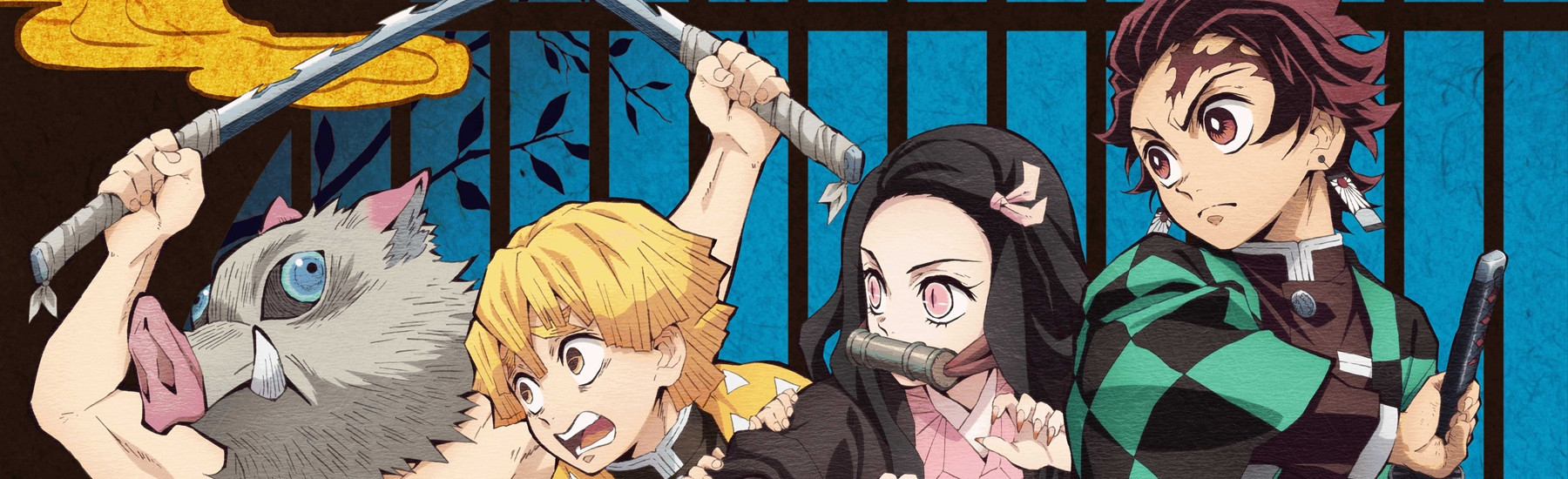
The manga's art is fine. Serviceable. Nothing you'd frame on a wall. Then ufotable animated it, and suddenly a mid-tier Weekly Shonen Jump series became a global phenomenon that generated $1.3 billion in box office across two films. The fight choreography, the breathing technique visualizations, the color design — none of that exists on the printed page. Demon Slayer is the clearest case of animation elevating a story beyond what the source material could achieve alone.
Attack on Titan
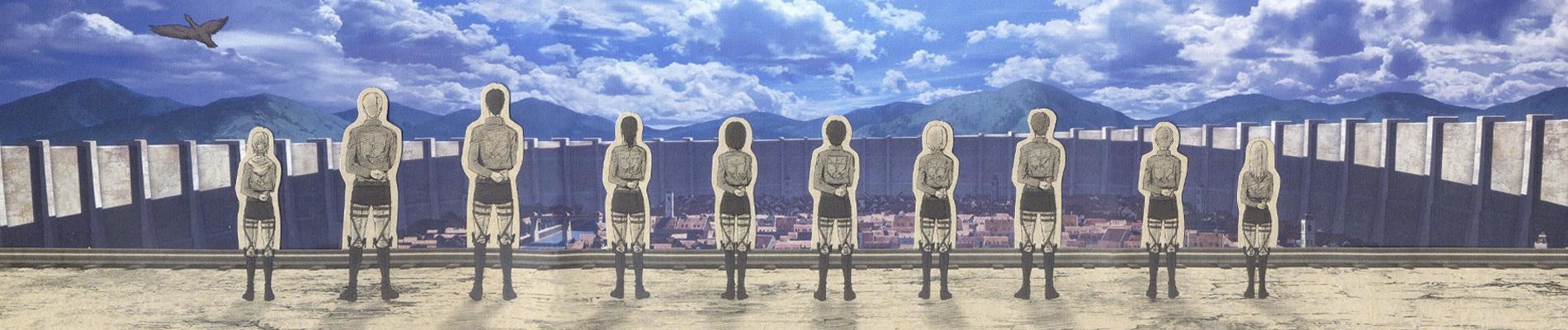
Hajime Isayama's manga art, especially in early chapters, is rough. His characters are sometimes hard to tell apart. But the anime's soundtrack by Hiroyuki Sawano, WIT Studio's (later MAPPA's) direction, and the sheer kinematic energy of the ODM gear sequences turned it into prestige television. The manga tells the same story, but the anime is the definitive version for most people.
Mob Psycho 100
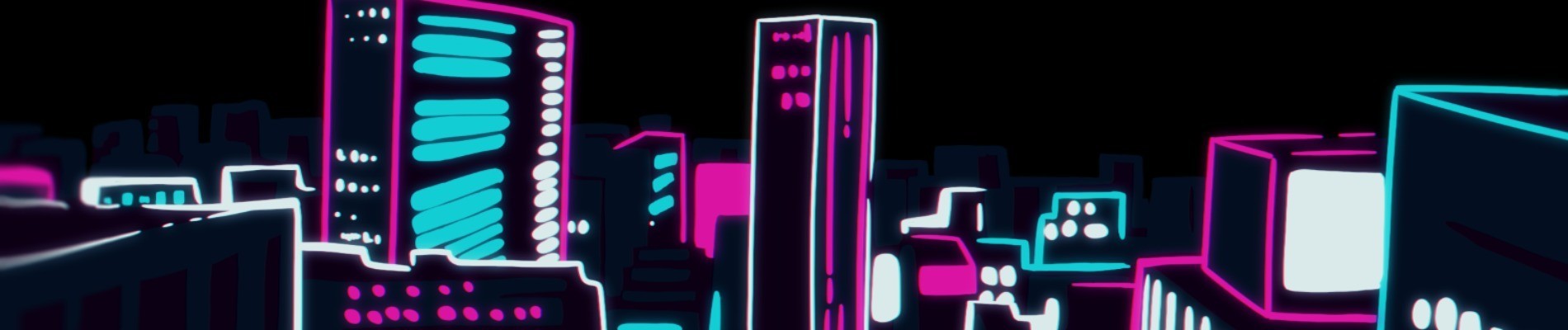
ONE's original webcomic art is deliberately crude. Studio Bones turned it into one of the most visually creative anime ever produced, with animation that shifts styles to match emotional states. The manga is the skeleton; the anime is the living thing.
When the manga is definitively better
Not every adaptation does its source justice. Sometimes the anime cuts too much, rushes too fast, or simply doesn't have the budget to match what's on the page.
Tokyo Ghoul
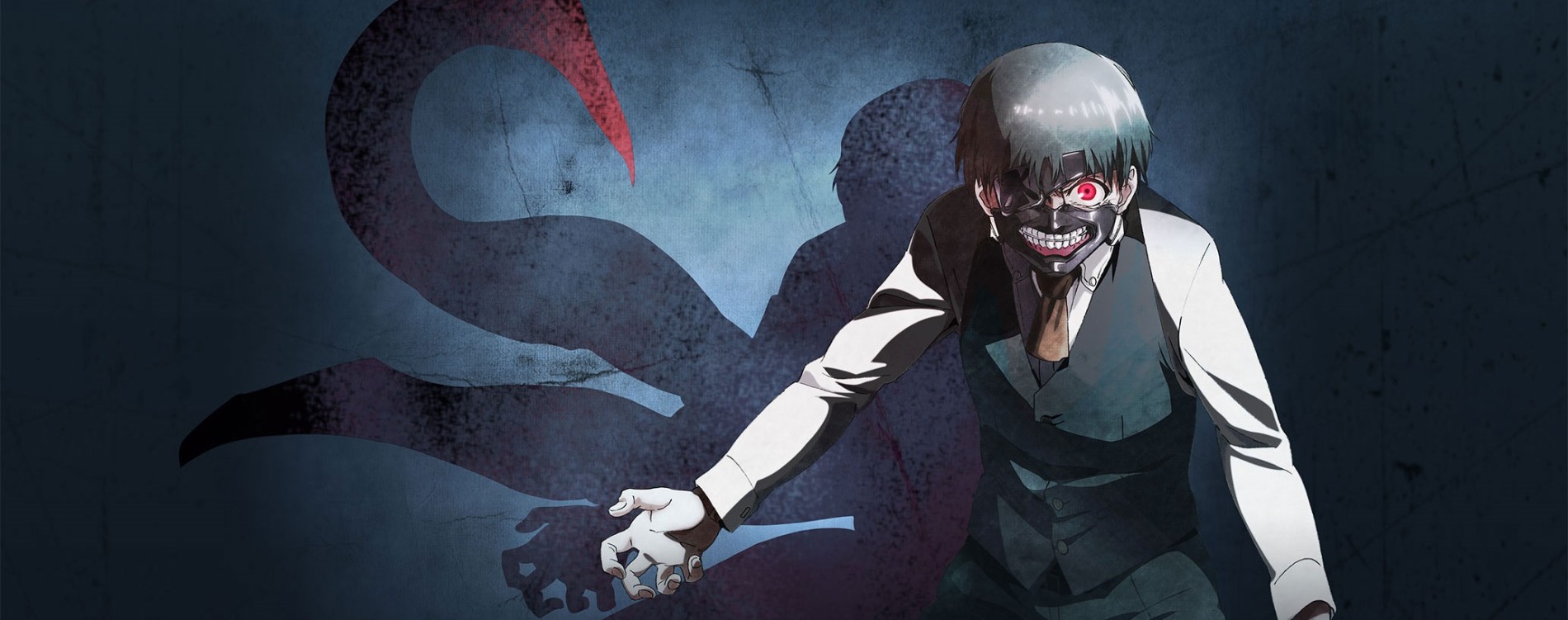
The first season was a decent adaptation. Then √A diverged from the manga with an anime-original story, and :re crammed an enormous amount of material into too few episodes. The result: character arcs that feel hollow, plot threads that go nowhere, and an ending that makes no sense unless you've read the manga. The manga is a completely different experience — darker, more coherent, and vastly more satisfying.
Berserk (2016)
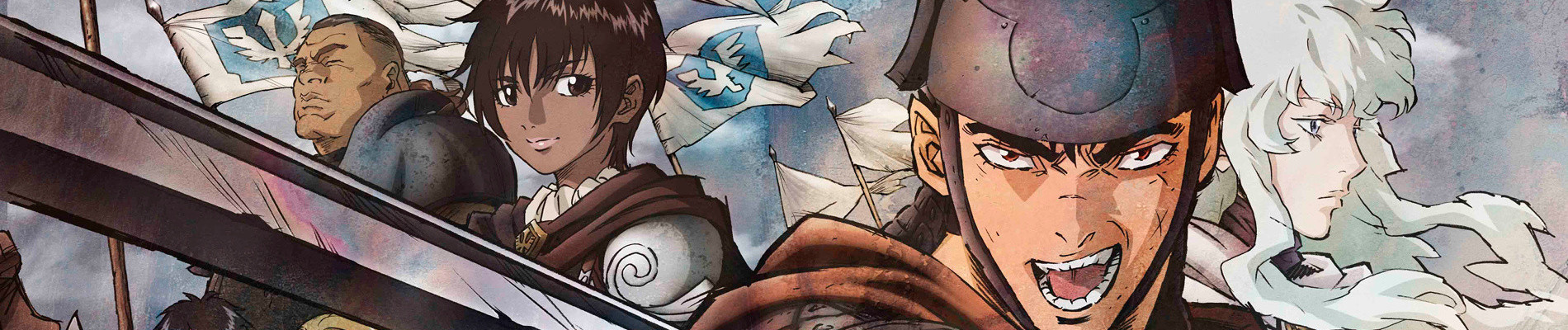
Kentaro Miura's manga is widely considered one of the greatest works in the medium. The 2016 anime adaptation used CGI that looked like a PlayStation 2 cutscene. The gap between source and adaptation quality might be the largest in anime history. Read the manga. Pretend the 2016 anime doesn't exist.
One Piece
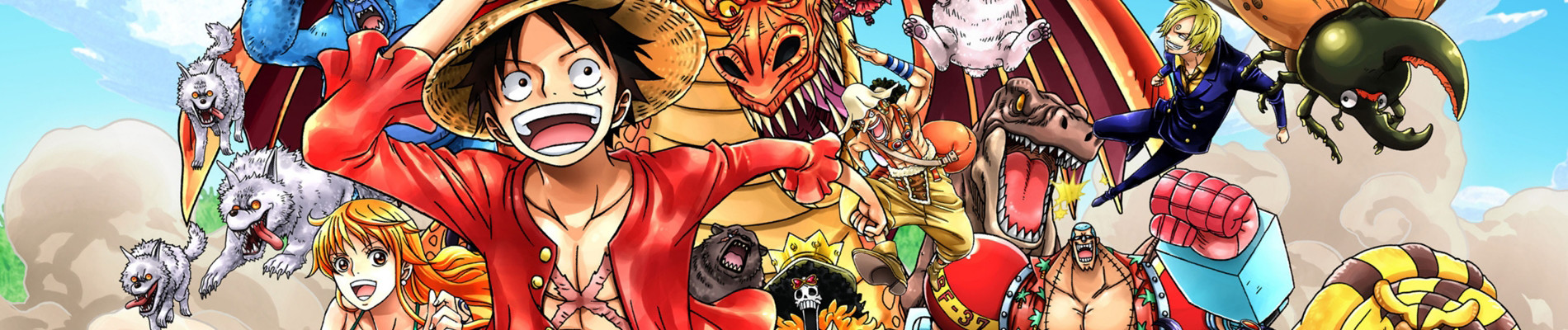
This is a special case. The anime isn't bad, but the pacing became a serious problem. Because the anime couldn't catch up to the manga, episodes were stretched to cover as little source material as possible. Scenes that take two pages in the manga take entire episodes in the anime. The manga delivers the same story in a fraction of the time, with Eiichiro Oda's art at its best. (The One Piece remake announced for Netflix may change this calculation entirely.)
When they're essentially equal
Fullmetal Alchemist: Brotherhood
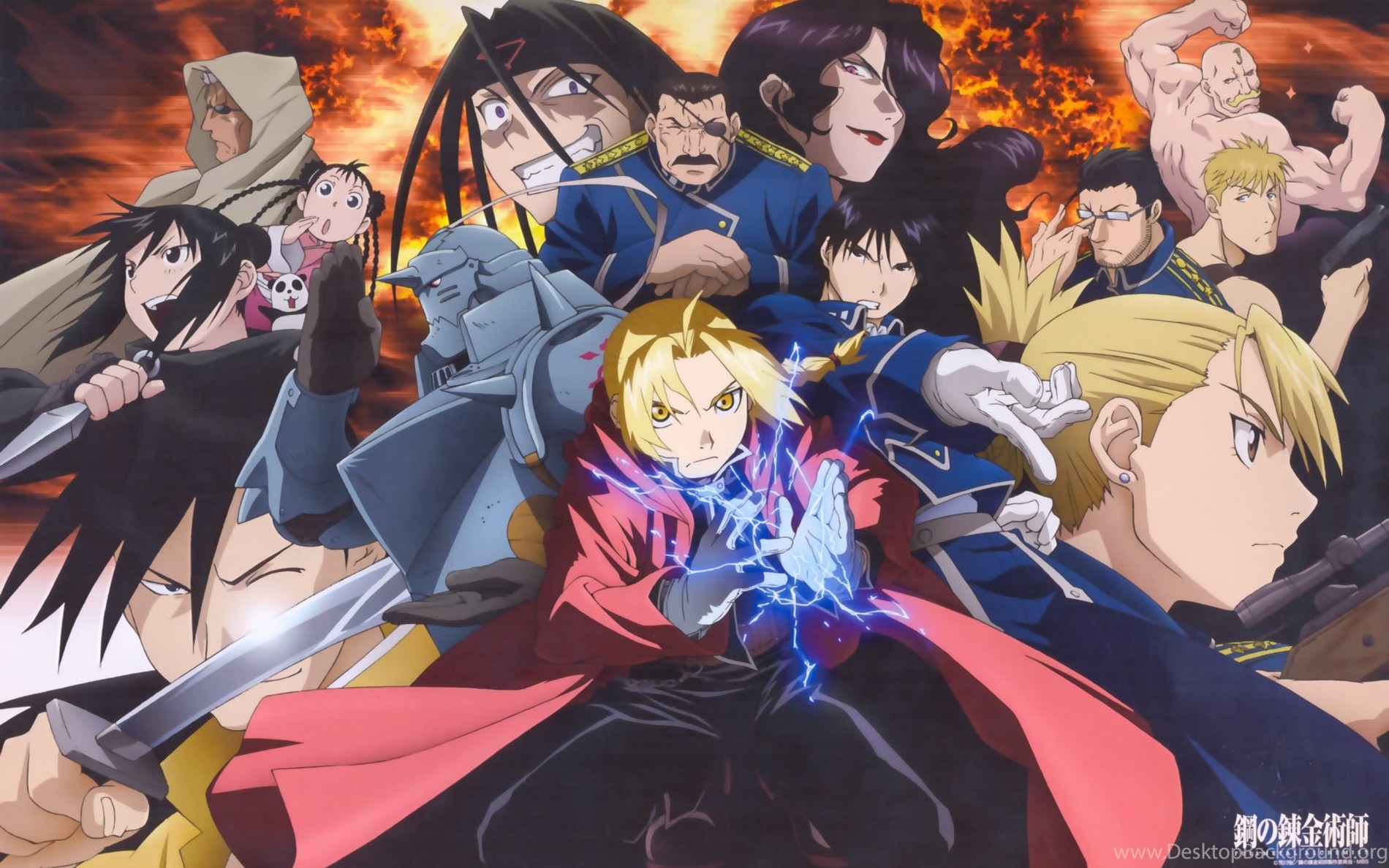
One of the most faithful major adaptations ever produced. Brotherhood follows Hiromu Arakawa's manga closely enough that either version tells essentially the same story. The anime adds a great soundtrack and voice performances; the manga has slightly more detail in some scenes. Pick whichever medium you prefer — you're getting the full experience either way.
Worth noting: the 2003 FMA anime is a different story entirely. It diverged from the manga partway through and wrote its own ending. An Anime News Network feature in 2026 pushed back on the oversimplified claim that it was "faithful until it ran out of material," calling the relationship between the two versions more complex than fans usually acknowledge.
Spy x Family

The anime adaptation closely follows the manga with high production values from WIT Studio and CloverWorks. Both versions work well, and the anime's voice cast adds personality that the manga can't replicate, while the manga lets Tatsuya Endo's comedic timing land at your own reading pace.
The anime boost: how adaptations move manga
The economic relationship between anime and manga is one-directional in a way that surprises people: anime sells manga, not the other way around.
The numbers are dramatic:
- Spy x Family went from 10 million copies to 27 million in the year its anime aired — sales nearly tripled
- Demon Slayer was a mid-tier Jump title selling steadily, then the anime aired and it overtook series that had been running for decades in per-volume sales comparisons
- Medalist saw sales increase by 4x after its first anime season
- Jujutsu Kaisen finished the first half of 2025 as the best-selling manga in Japan with 3.36 million copies, driven by continued anime exposure
This is why publishers fund anime adaptations even when they're not profitable on their own — the anime is effectively a marketing campaign for the manga.
The filler problem
One of manga's biggest advantages over long-running anime: no filler. When an anime catches up to its source material, studios either pause (seasonal model) or create original episodes to fill time (continuous model). The filler ratios for the biggest offenders:
| Series | Total Episodes | Filler Episodes | Filler % |
|---|---|---|---|
| Bleach | 366 | 164 | 45% |
| Naruto | 220 | 90 | 41% |
| Naruto Shippuden | 500 | 204 | 41% |
| One Piece | 1,157+ | ~97 | 8% |
Naruto has the most notorious stretch: 83 consecutive filler episodes from 136 to 219 — a gap so long that many fans simply stopped watching and never came back.
The seasonal model (12-13 episodes, then a break) has mostly solved this for modern anime. Shows like Jujutsu Kaisen, My Hero Academia, and Demon Slayer take breaks between seasons rather than padding with filler. But for anyone going back to watch classic long-runners, a filler guide isn't optional — it's essential.
Time and cost
Reading is faster. A manga volume takes 20-30 minutes to read. A 12-episode anime season takes about 4-5 hours. For a series like One Piece, the time difference between reading the manga and watching the anime (including filler and pacing issues) is measured in hundreds of hours.
Streaming is cheaper per title. A Crunchyroll subscription (~$8-15/month) gives you access to thousands of anime. Individual manga volumes cost $10-15 each, and a complete collection of a long series can easily cost $200-400+.
But manga is cheaper if you're selective. If you only want to experience one or two series, buying the manga volumes is often cheaper than maintaining a streaming subscription over months.
The divergence cases
Sometimes the anime and manga aren't different versions of the same story — they're different stories entirely.
Fullmetal Alchemist (2003)
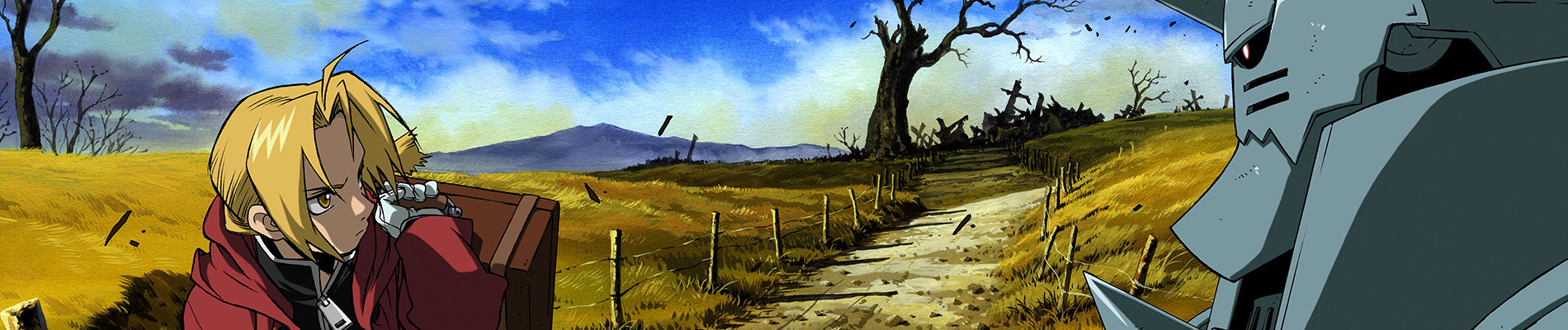
The first FMA anime began when the manga was only partially complete. Rather than wait, the studio wrote an original second half with a completely different ending, different antagonists, and different thematic conclusions. Both versions are good; they're just telling different stories from the same starting point.
Soul Eater
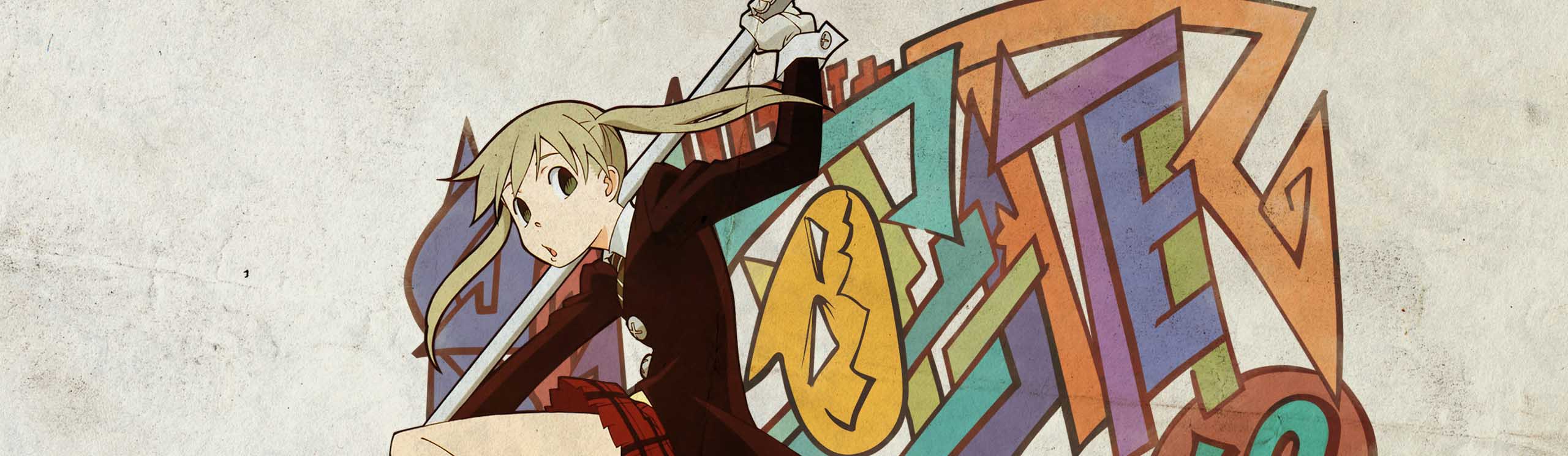
Same situation. The anime diverged from the manga in its final arc, leading to a rushed original ending that most fans consider significantly weaker than the manga's actual conclusion.
The Promised Neverland Season 2
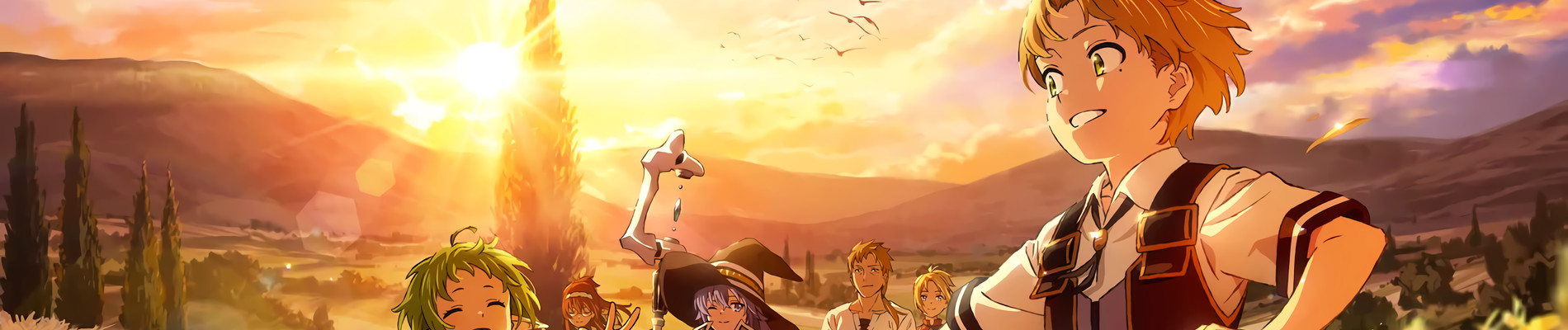
The anime skipped entire manga arcs in its second season, compressing hundreds of chapters into a handful of episodes and cutting some of the most popular storylines entirely. This is the cautionary tale that fans cite whenever an adaptation seems to be moving too fast.
How to decide
Watch the anime first if:
- You're new to the series and want the most accessible version
- The anime is known for exceptional animation or music
- You prefer a passive, immersive experience
Read the manga first if:
- The anime adaptation has a reputation for cutting content
- You want the story at your own pace
- The series has significant filler in anime form
It genuinely doesn't matter if:
- The adaptation is known for being faithful
- Both versions are considered high quality
- You're going to experience both eventually anyway
The best answer for most people: start with whichever one you'll actually finish. An anime you complete is better than a manga you abandon on volume three.
Discover anime and manga on AnimePulse — track your watchlist, explore recommendations, and find what's worth your time.