
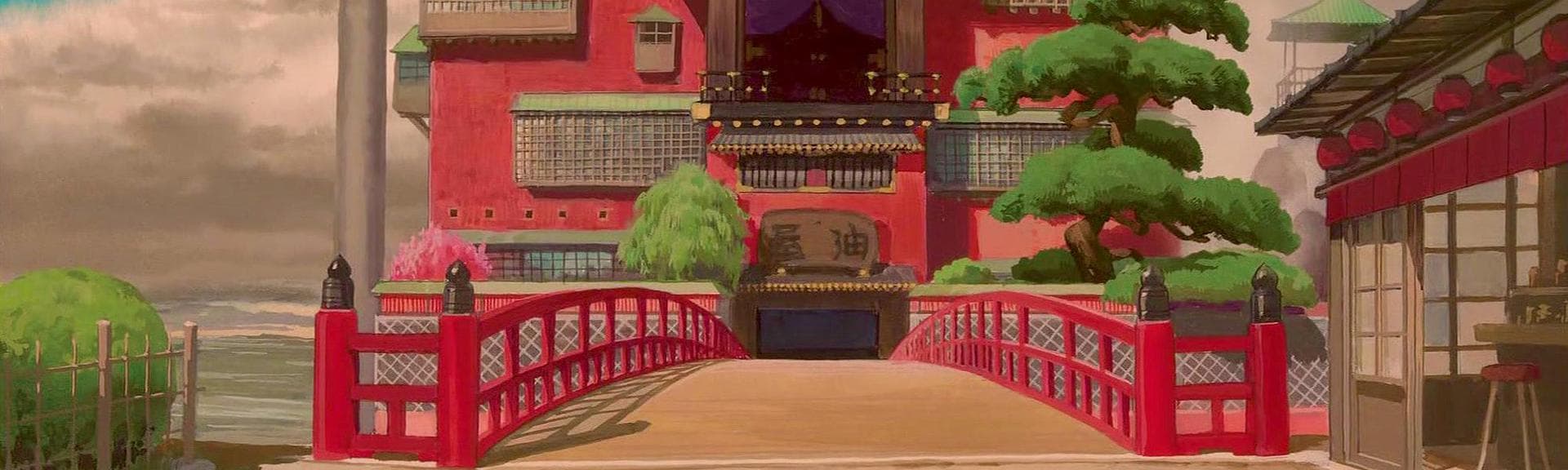
The 10 best anime movies of all time
Anime movies operate on a different level than TV series. Bigger budgets, tighter storytelling, and the kind of visual ambition that only comes when a team pours years of work into two hours of screen time. Some of these films redefined what animation could do. Others changed how the world thought about Japanese cinema entirely.
These are the 10 best. Not the 10 most popular, not the 10 with the biggest box office — the 10 that are genuinely worth watching regardless of whether you've ever seen anime before.
10. Ghost in the Shell (1995)
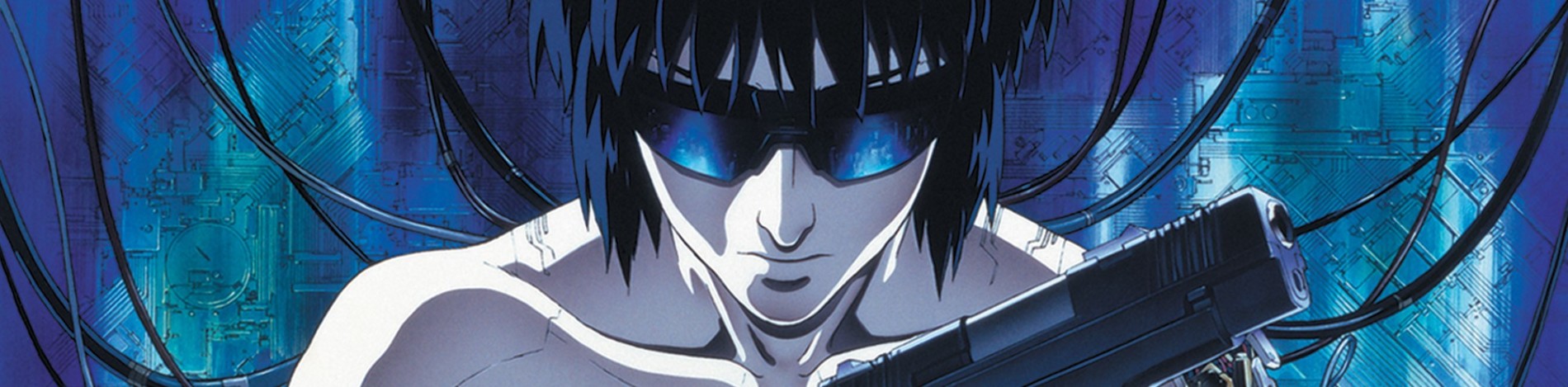
In 2077, a cyborg federal agent hunts a mysterious hacker known as the Puppet Master. What sounds like a sci-fi action premise turns into a philosophical meditation on consciousness, identity, and what it means to be human when your entire body is artificial.
Director Mamoru Oshii made something that Hollywood spent years trying to replicate. The Wachowskis famously showed Ghost in the Shell to producer Joel Silver and said "We wanna do that for real" — and then made The Matrix. The digital rain, the jacking into networks through ports in the back of the neck, the philosophical questions about simulated reality: all of it traces back here.
The film's influence extends beyond The Matrix to Dark City, A.I., and essentially every cyberpunk film made since. For a 1995 production, the animation holds up remarkably well because Oshii prioritized atmosphere and composition over spectacle.
9. Grave of the Fireflies (1988)
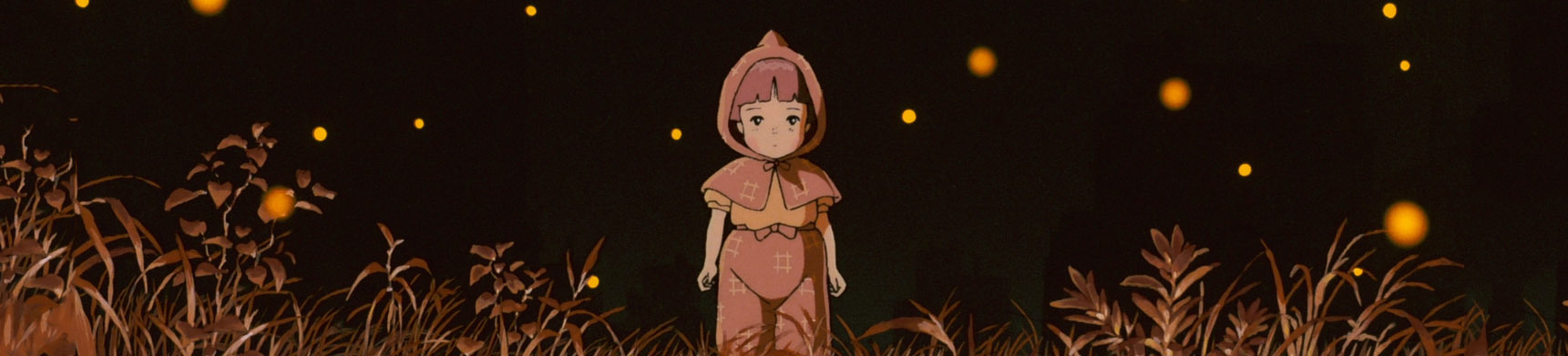
Two siblings try to survive in the aftermath of the American firebombing of Kobe during World War II. The film tells you in the first scene that they don't make it. And then it spends the next 90 minutes showing you why that matters.
Directed by Isao Takahata at Studio Ghibli, this is not a war film that glorifies or even condemns. It simply observes, with devastating precision, what happens to children caught in the machinery of a conflict they can't understand. Roger Ebert placed it on his list of Great Films and wrote that it "belongs on any list of the greatest war films ever made" — noting that animation's simplification of reality actually amplifies the emotional impact rather than diminishing it.
Fair warning: this is the one film on the list that people genuinely struggle to watch twice. Not because it's flawed, but because it's almost unbearably effective at what it does.
8. Perfect Blue (1997)
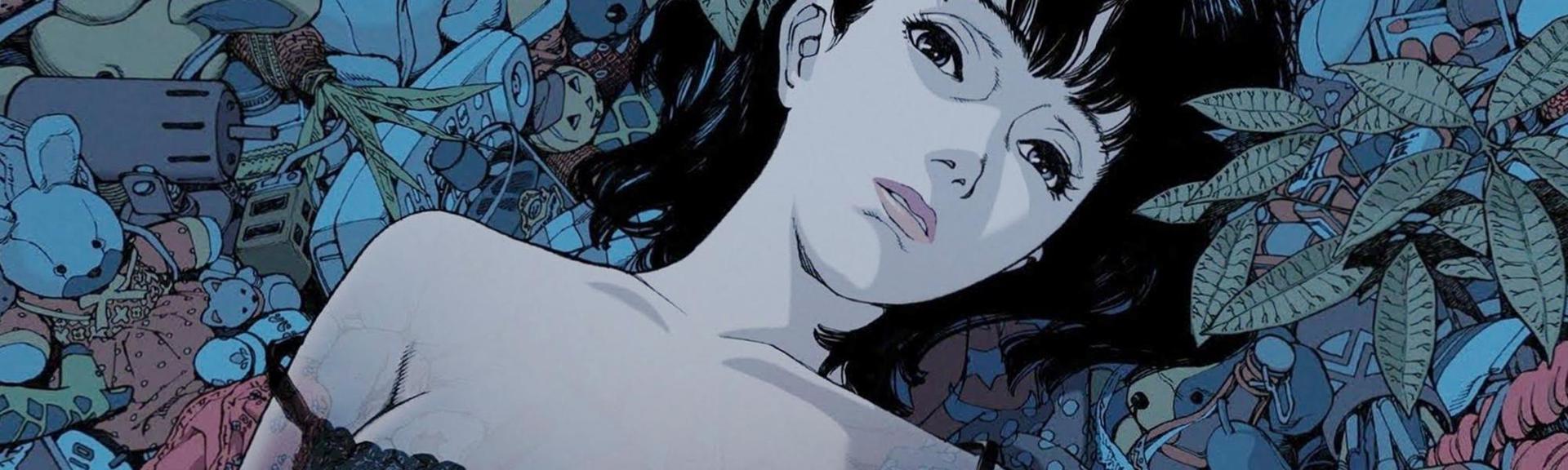
A pop idol retires from music to pursue acting and begins losing her grip on reality as a stalker, a website written from her perspective, and the pressures of her new career blur the line between who she is and who she's performing.
Satoshi Kon made his directorial debut with this film at age 34, and it's one of the most influential psychological thrillers in animation history. Darren Aronofsky was so struck by Perfect Blue that he purchased the remake rights to recreate specific shots — the bathtub scene in Requiem for a Dream is a direct lift, and the thematic DNA of Black Swan is unmistakable. Kon was initially flattered but later wrote on his blog that he was shocked by how much Aronofsky had taken.
The film was made on a fraction of a Hollywood budget but achieves a level of psychological tension that live-action thrillers rarely match. Kon understood that animation could depict subjective experience — the feeling of not knowing what's real — more effectively than any camera.
7. Akira (1988)

Neo-Tokyo, 2019. A teenager gains psychic powers after a motorcycle accident, and the city starts coming apart. Akira was made on a then-unprecedented budget of ¥1.1 billion ($10 million), the most expensive anime film ever produced at the time, and every yen is on screen.
Director Katsuhiro Otomo adapted his own 2,000+ page manga into a film that redefined what animation could look like. The attention to detail is obsessive: pre-recorded dialogue (unheard of in anime at the time), hand-drawn backgrounds of a city at night with individually lit windows, and fluid animation that Western studios couldn't match for another decade.
The list of films that cite Akira as a direct influence goes on for a while: The Matrix, Dark City, Chronicle, Inception, Pacific Rim, Spider-Man: Into the Spider-Verse. John Gaeta credited it as artistic inspiration for the bullet-time effect. Beyond Hollywood, the film essentially opened the door for adult-oriented Western animation, influencing everything from Batman: The Animated Series to Æon Flux.
6. A Silent Voice (2016)

A boy who bullied a deaf girl in elementary school tracks her down years later to apologize. What follows is a raw, uncomfortable examination of guilt, disability, social isolation, and whether redemption is something you can earn or something you have to live with.
Director Naoko Yamada at Kyoto Animation made something that doesn't let anyone off the hook. The protagonist isn't sympathetic at first. The film doesn't rush to forgiveness. It sits with the discomfort of what happened and what it costs everyone involved. The animation reflects the psychology: social anxiety is visualized through X marks over faces, and the moment those marks disappear is one of the most powerful visual metaphors in any animated film.
A Silent Voice earned over $30 million worldwide and won Best Animation of the Year at the Japan Movie Critics Awards. It's the kind of film that people recommend specifically to those who think animation can't handle serious subjects.
5. Princess Mononoke (1997)
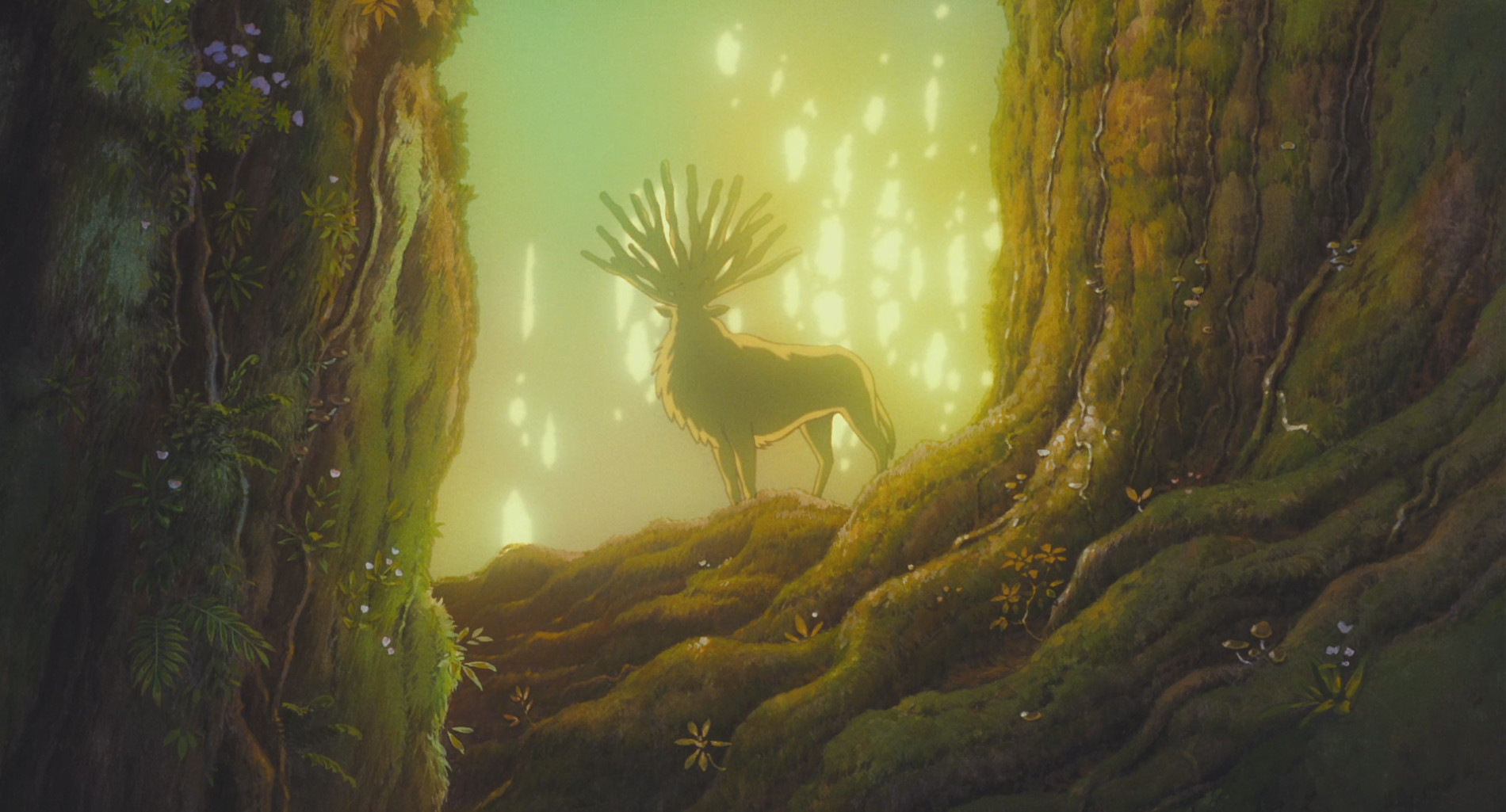
A young prince, cursed by a demon, travels west to find a cure and stumbles into a war between a mining colony and the gods of the forest. Neither side is entirely right. Neither side is entirely wrong.
Hayao Miyazaki made what was then the most expensive animated film in Japanese history (¥2.35 billion budget), and the promotion budget was even higher at ¥2.6 billion — the largest film advertising campaign Japan had ever seen. It paid off: the film was seen by 12 million people in its first five months, the equivalent of one-tenth of Japan's population, and it broke E.T.'s 15-year record to become Japan's highest-grossing film.
What separates Mononoke from typical environmental narratives is that it refuses to simplify. Lady Eboshi, the mining town leader, isn't a villain — she's building something real and protecting people who had nothing. The forest gods aren't innocent — they're dangerous. Miyazaki trusts the audience to hold conflicting sympathies simultaneously, which is rarer than it should be in any medium.
4. The Boy and the Heron (2023)
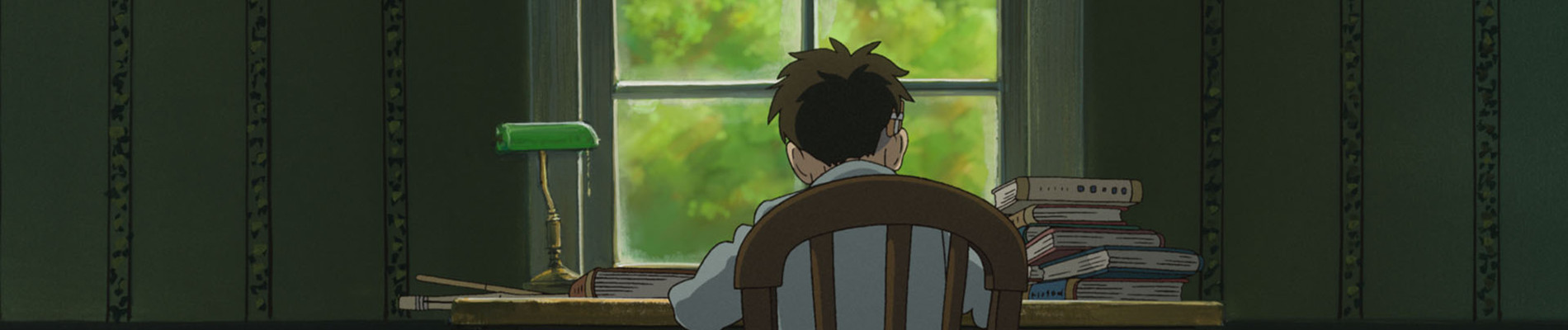
A boy grieving his mother's death follows a mysterious heron into a fantastical tower and enters a world built by his great-granduncle. It's the most personal film Miyazaki has ever made, and arguably the strangest.
At 83 years old, Miyazaki became the oldest director ever nominated for Best Animated Feature at the Academy Awards — and won, earning his second Oscar at the 96th ceremony. The film crossed $300 million worldwide despite what was described as minimal conventional marketing before release. It and Spirited Away remain the only two hand-drawn films to ever win the Best Animated Feature Oscar.
The Boy and the Heron doesn't explain itself. The dream logic and autobiographical symbolism ask you to feel rather than analyze, which divided audiences but gave the film a quality most blockbusters lack: it lingers. Whether this is Miyazaki's final film remains to be seen, but as a potential farewell, it's the kind of statement only someone with nothing left to prove could make.
3. Suzume (2022)
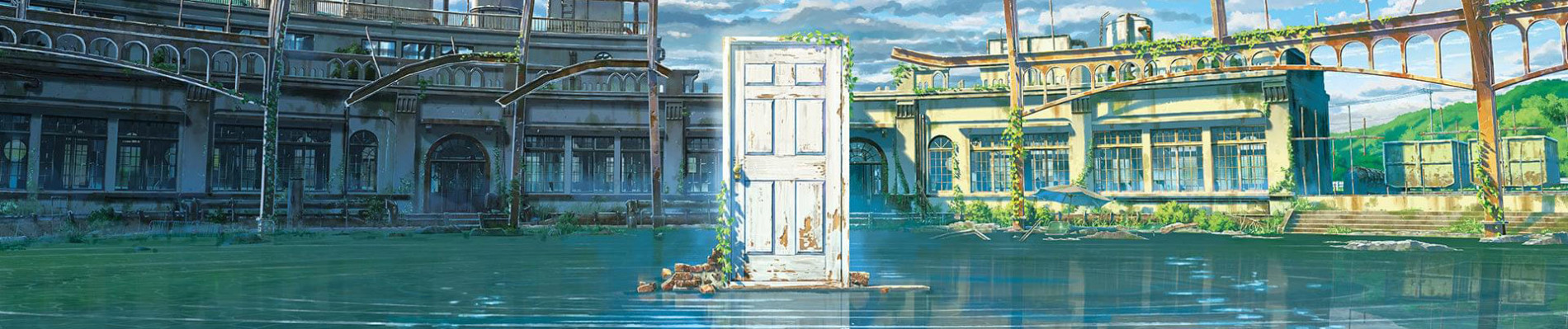
A teenage girl discovers a door in an abandoned building. Opening it threatens to unleash earthquakes across Japan. She chases the source across the country, closing doors in ruined landscapes while processing her own unresolved grief from the 2011 Tōhoku earthquake.
Makoto Shinkai proved with Suzume that Your Name wasn't a one-off. The film grossed over $330 million worldwide, cementing Shinkai as the only director in anime history with multiple films above $300 million. The spectacle is there, but Suzume works because Shinkai uses Japan's real geography of disaster and abandonment as emotional architecture.
The road-trip structure gives the film a momentum that Shinkai's earlier work sometimes lacks. And beneath the adventure, there's a conversation about a country that carries the memory of catastrophe in its landscape — abandoned towns, overgrown ruins, places that used to be someone's home. It's a film about moving forward without pretending the past didn't happen.
2. Spirited Away (2001)
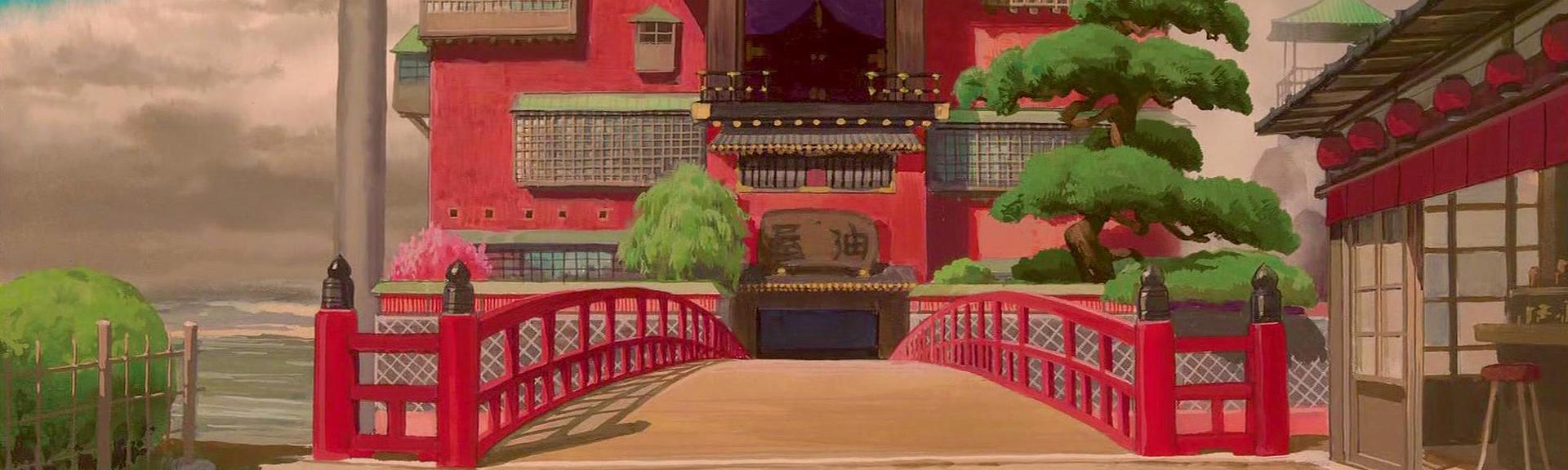
A ten-year-old girl wanders into a spirit world and has to work in a bathhouse for gods while finding a way to save her parents, who've been turned into pigs. It's simultaneously a coming-of-age story, a workplace drama, and a mythological odyssey — and it works as all three at once.
The numbers are historic: $395 million worldwide on a $19 million budget. It overtook Titanic to become Japan's highest-grossing film, a record it held for 19 years. At the 75th Academy Awards, it became the first anime film to win the Oscar for Best Animated Feature — and remains the only hand-drawn winner alongside The Boy and the Heron.
Miyazaki made a film that doesn't condescend to its audience regardless of age. Chihiro doesn't have powers. She doesn't get a training arc. She survives through work ethic, kindness, and the slow accumulation of courage that comes from having no other choice. That's a more honest depiction of growing up than most films aimed at children ever attempt.
1. Your Name (2016)
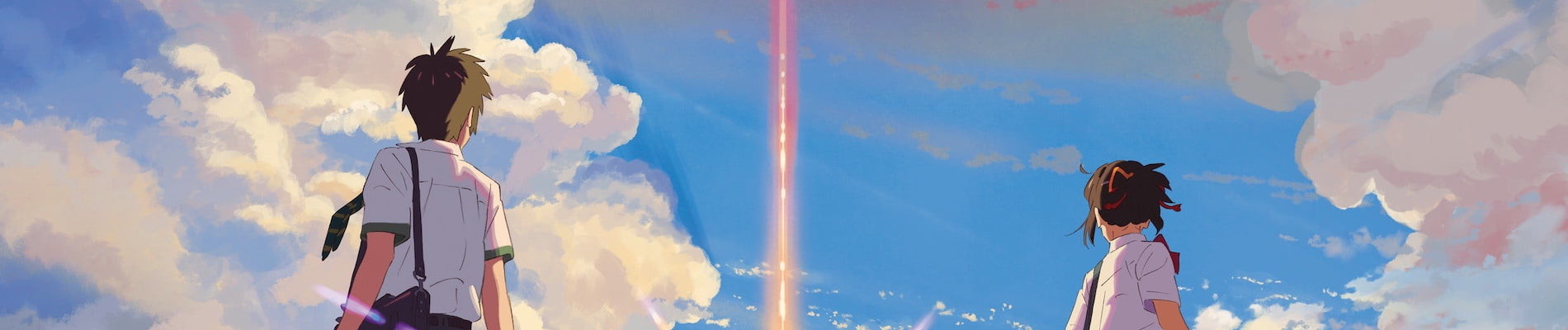
A Tokyo boy and a rural girl start swapping bodies. What begins as a charming comedy about navigating each other's lives turns into something much bigger, more urgent, and more devastating than the premise suggests.
Makoto Shinkai spent years being called "the next Miyazaki," a comparison he rejected. Your Name proved he didn't need the comparison at all. The film grossed $400 million worldwide, briefly overtaking Spirited Away as the highest-grossing anime film internationally and becoming the first non-Ghibli, non-Miyazaki anime to reach mainstream global audiences at that scale.
What elevates Your Name above a standard romance is how it uses its body-swapping concept to explore distance — physical, temporal, emotional. The film's structure mirrors its theme: you spend the first half laughing, the second half desperate, and the ending rewrites your understanding of everything that came before. Shinkai's backgrounds are so meticulously beautiful that specific Tokyo locations became pilgrimage sites.
The film proved that anime wasn't limited to Ghibli's institutional prestige. A single director with the right story could reach the entire world.
Where to start
If you want emotional weight: Grave of the Fireflies or A Silent Voice. If you want pure spectacle: Akira or Demon Slayer: Infinity Castle. If you want something that works for anyone, anime fan or not: Your Name or Spirited Away.
You can track films and series on AnimePulse and build your watchlist from there.