
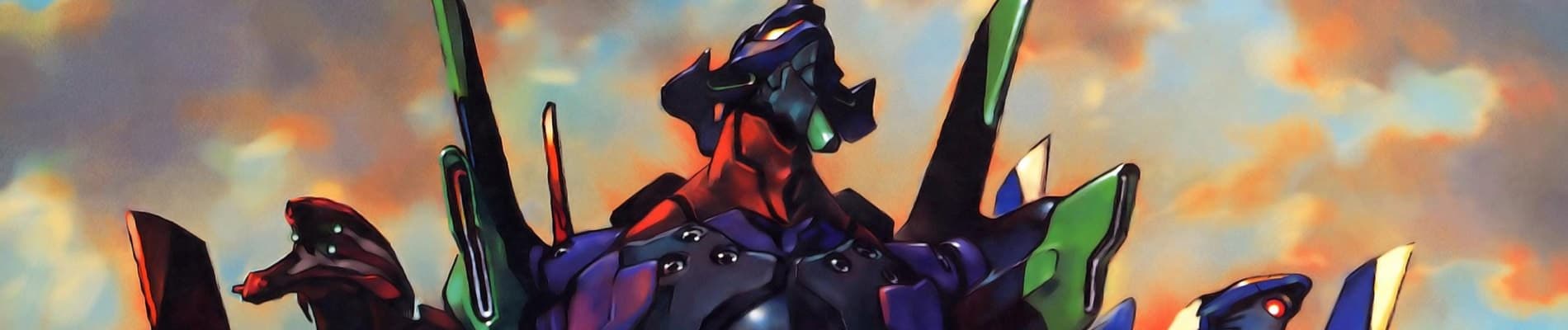
10 confusing anime endings, explained
Some anime endings make you reach for the remote and rewind. Others make you reach for a forum. The 10 below all generate enough "[title] ending explained" search traffic that they've become a small cottage industry of YouTube essayists, Reddit megathreads, and breakdown articles — and most of those breakdowns are either dishonest about ambiguity (claiming "the real ending is X" when the show explicitly leaves it open) or so spoiler-cautious they don't actually explain anything.
This hub is the alternative. Each entry contains spoilers for the show's ending — that's the whole point. For each title, you'll get: what literally happens in the ending, why people find it confusing, and what the most defensible interpretation is. Full long-form breakdowns of each are listed at the bottom as planned child pages — those are the ones to bookmark if you want a deeper read.
⚠️ Spoiler warning: Every section below spoils the ending of the anime in its header. If you haven't watched a show and might, skip its section.
How this list works
The ordering below is not "most confusing" or "most controversial" or "ranked by search volume." Public search-volume data isn't reliably available without paid tools, and "most confusing" is subjective. Instead, the entries are grouped by the kind of confusion the ending generates:
- Plot-mechanical confusion — what literally happened, who survived, what the rules were
- Interpretive confusion — what the ending means, symbolically or thematically
- Adaptation confusion — where the anime ending differs from the source material
This is more honest than a fake ranking. Where exact relative search demand matters (for SEO scheduling), [VERIFY] using Google Trends or paid keyword tools before publishing claims like "the most-searched ending explained on YouTube."
1. Attack on Titan
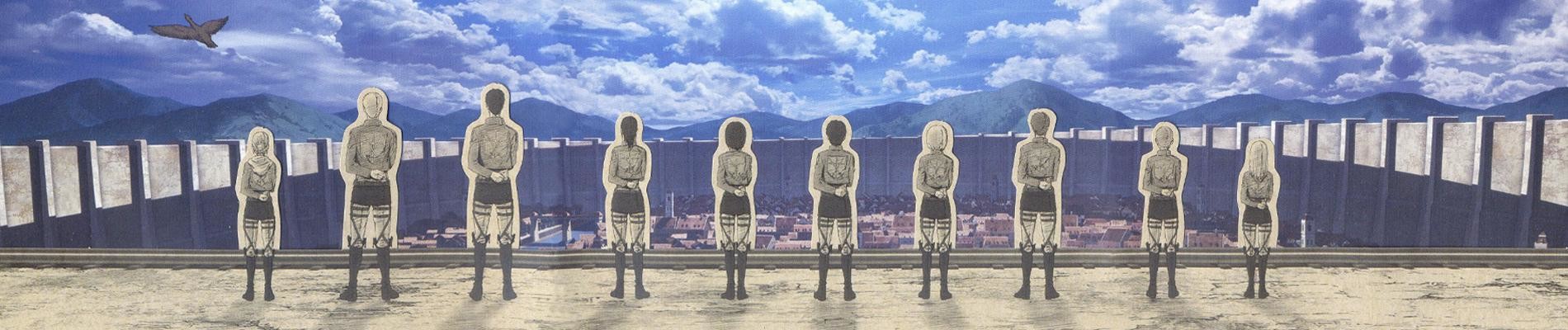
Confusion type: Plot-mechanical + adaptation. The Final Season Part 3 + the extra anime epilogue diverge meaningfully from how the manga ended, and the manga ending itself was the most-discussed in anime/manga history.
What happens: Eren initiates the Rumbling — a continent-wiping march of all 100 million Wall Titans — to destroy 80% of humanity outside Paradis Island, ostensibly to protect his friends. The Alliance (Mikasa, Armin, Levi, Reiner, and the surviving Marleyan warriors) stops the Rumbling partway through. Eren is killed by Mikasa. Ymir Fritz is freed from her 2000-year compulsion when Mikasa demonstrates the ability to let go of love. The Titan curse ends. Hundreds of years later, Paradis is destroyed in another war, and the cycle of violence continues. The very last anime scene shows a future child finding the same tree where Ymir first encountered the Titan power, hinting at recurrence.
Why it's confusing: Three things at once. (1) Eren's motivation — was the Rumbling a genuine "I had to do this" calculation, a Time Loop he was trapped in, or both? The manga supports both readings. (2) The Ymir-Mikasa connection — what specifically broke the Titan curse and why Mikasa was the necessary agent. (3) The future-war coda — what it's saying about whether the Alliance's victory mattered.
The most defensible reading: Eren's plan was a deliberate moral atrocity, not a heroic sacrifice. He chose it partly because he saw a future where he had to. The cycle-of-violence ending isn't nihilism — it's the show arguing that the only way out is the kind of love Mikasa demonstrated, not the political solutions Armin advocates for. The show doesn't reward Eren. It mourns him.
Read the full explanation: /anime/attack-on-titan/ending-explained (planned child page)
2. Neon Genesis Evangelion + The End of Evangelion
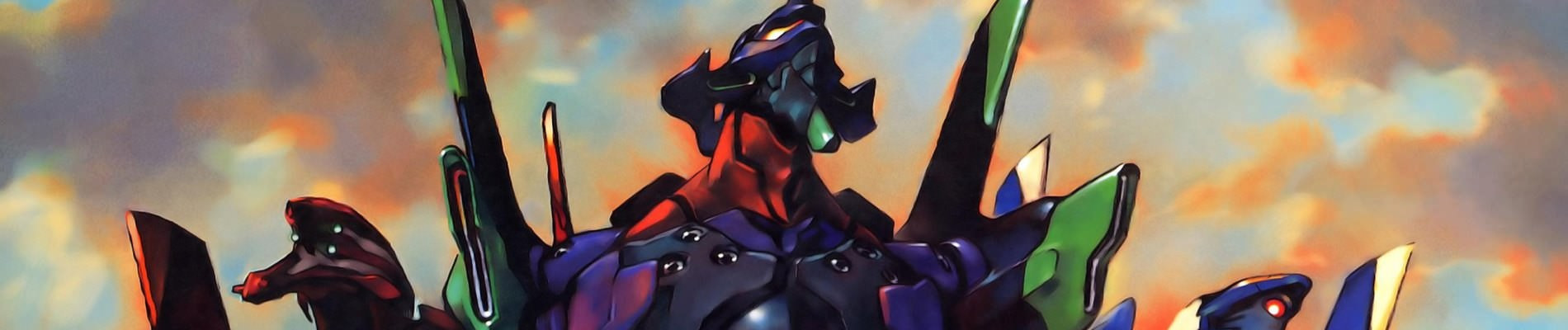
Confusion type: Interpretive + meta — there are two different endings (the TV series episodes 25-26 and The End of Evangelion film) that depict the same event from different angles, and the franchise has since added a Rebuild film tetralogy that complicates the picture further.
What happens (TV ending): Episodes 25-26 take place largely inside Shinji's mind during Instrumentality — the process by which all human souls would merge into one collective consciousness. The episodes are stylistically experimental: abstract animation, theater-like sequences, monologues. Shinji ultimately chooses to reject Instrumentality and accept his individual existence, ending with applause from the cast.
What happens (The End of Evangelion): The film depicts the external events occurring while episodes 25-26's internal sequences play out. SEELE invades NERV. Asuka has one of the most-discussed action sequences in anime history before being killed. The Mass Production Eva units initiate Third Impact. Lilith merges all human souls into the Black Moon. The same internal choice Shinji makes in the TV ending is shown again, but now we see the external consequence: he chooses individuality, the souls separate, and he and Asuka are left on a beach. Final line: "Kimochi warui" ("I feel sick" / "How disgusting").
Why it's confusing: Multiple reasons. (1) The TV ending appears to skip the external events entirely. (2) The End of Evangelion is not "the real ending" replacing the TV ending — Hideaki Anno has said both are valid versions of the same moment. (3) Asuka's final line is intentionally ambiguous — it could refer to Shinji's behavior, the situation, the world, or her own existence. (4) The Rebuild films (Evangelion: 3.0+1.0 Thrice Upon a Time, 2021) present yet a third treatment.
The most defensible reading: Eva's ending is about whether to retreat into oneness or accept the painful work of being a separate self in relation to others. Shinji chooses separation. Whether that choice is "happy" depends on whether you read his act as resilience or trauma — Anno leaves both readings open.
Read the full explanation: /anime/neon-genesis-evangelion/ending-explained (planned child page)
3. Serial Experiments Lain
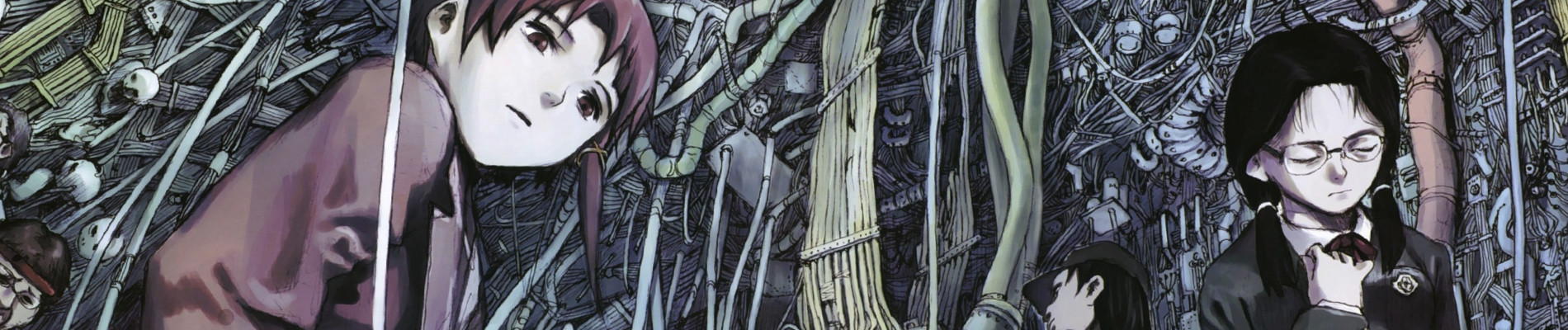
Confusion type: Interpretive — the show intentionally erases the boundary between reality and the Wired (its in-universe internet), and the ending is more philosophical than mechanical.
What happens: Lain Iwakura is revealed to be a manifestation of the Wired's collective consciousness — a god-like entity that exists in the network. She "deletes" herself from human memory, leaving everyone she knew unaware she ever existed. The final scene shows her speaking to Alice in a moment outside time, telling her "I'm always with you" before fading away. The implication is that Lain has chosen to become the omnipresent guardian of the Wired rather than continue as an embodied human.
Why it's confusing: The show never explicitly states what Lain is — human, AI, god, all three, or something the show invents specifically because human language can't describe it. The reality-vs-Wired boundary is deliberately destabilized throughout the series, so by the final episode it's unclear what counts as "actually happening."
The most defensible reading: Lain is the show's argument that the boundary between identity, memory, and networked existence is a fiction. Her choice to erase herself is both a sacrifice (giving up embodied life) and a transcendence (becoming what the Wired needs). The show is closer to philosophy than narrative in its final act.
Read the full explanation: /anime/serial-experiments-lain/ending-explained (planned child page)
4. Devilman Crybaby
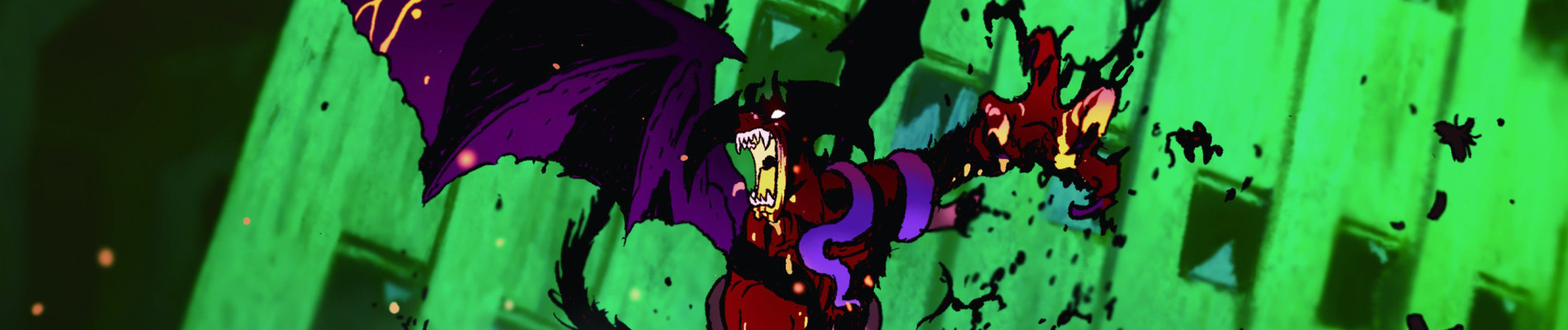
Confusion type: Symbolic — the ending compresses apocalypse, grief, religious imagery, and cyclical destruction into about seven minutes of screen time.
What happens: Akira and Ryo's final battle takes place on a destroyed Earth after Ryo's mass-revelation broadcast has turned humanity against the demons. Akira's lower body is destroyed. Ryo realizes — too late — that he, Satan, has always loved Akira. The two of them sit on the ruined coast as God's army of angels arrives to "reset" the world. The final scene depicts Earth's surface as a wasteland with two moons in the sky, implying that the cycle of God's creation, demonic rebellion, and apocalypse has happened before and will happen again.
Why it's confusing: Three layered ambiguities. (1) Is the world actually ending or being reset? The angel imagery and two moons suggest a Genesis-cycle interpretation. (2) Ryo's emotional reveal — was his entire millennium-long plan motivated by something he didn't understand about himself? (3) The show's structure — what was Akira's "win condition"? The protagonist explicitly fails at the goal he started the series with.
The most defensible reading: Devilman Crybaby is a tragedy about a cosmic mistake — Satan/Ryo's plan to overthrow God required destroying the one being he loved (Akira/Devilman), and he didn't realize his own feelings until after he'd executed the plan. The cycle imagery argues that this same tragedy has played out before and will again. Yasuhiro Yoshiura and Masaaki Yuasa adapted Go Nagai's manga ending faithfully — the original 1972-73 manga also ended on this same beat.
Read the full explanation: /anime/devilman-crybaby/ending-explained (planned child page)
5. Code Geass
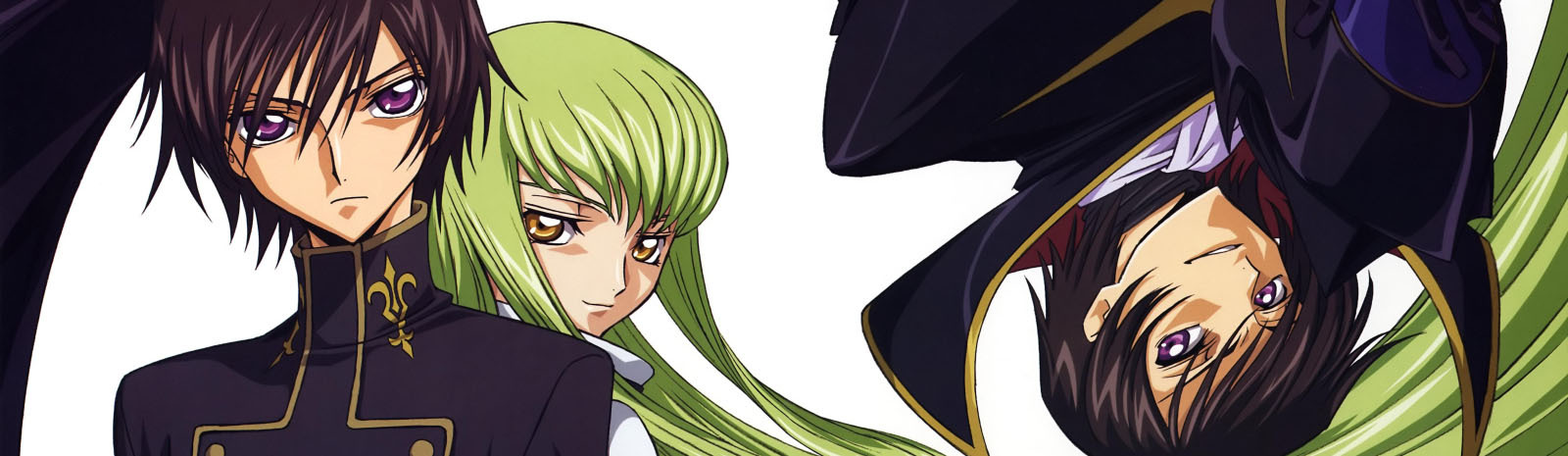
Confusion type: Plot-mechanical + adaptation. The "is Lelouch alive?" question has divided the fandom for over a decade, and the 2019 Lelouch of the Re;surrection film added official continuity that complicates the original answer.
What happens (original ending): Lelouch enacts the Zero Requiem: by becoming the world's universally-hated dictator, he absorbs all of humanity's rage into one target, then is assassinated by his closest friend Suzaku (now wearing the Zero mask). With Lelouch dead, humanity has a unified target to grieve and is freed to rebuild. The final scene shows a horse-drawn cart driven by someone wearing peasant clothing and a hat, with C.C. riding alongside, discussing immortality.
Why it's confusing: The cart-driver's identity is intentionally obscured. The original anime ending is meant to be read either way — Lelouch dead (the cart driver is some other character), or Lelouch alive (he received C.C.'s Code immortality and the Zero Requiem death was faked). Studio Sunrise and director Goro Taniguchi explicitly said in 2008-era interviews that the ending was deliberately ambiguous.
The Re;surrection film changed this: The 2019 Lelouch of the Re;surrection film canonically confirms Lelouch survived via the Code-immortality plot point, then continues his story. This retroactively settles the ambiguity in the "alive" direction — but many fans prefer to treat the original ending as standalone, where the ambiguity was the point.
The most defensible reading: If you treat the original anime as the canonical ending, the ambiguity is intentional and important — Lelouch's narrative death matters more than his physical status. If you accept the Re;surrection film as canon, he's alive. The Zero Requiem itself succeeded either way, which is the actual point of the ending.
Read the full explanation: /anime/code-geass/ending-explained (planned child page)
6. Death Note

Confusion type: Strategic — the ending is more straightforward than most entries here, but viewers search "Death Note ending explained" because the specific mechanics of Light's loss to Near are intricate.
What happens: Near successfully traps Light in the Yellow Box Warehouse confrontation. Light, believing Mikami will write the SPK members' names into his Death Note, is about to win — until the SPK members survive, revealing that Near switched the real Death Note for a fake one and forged the fake's pages. Light's manipulation collapses. He attempts to write Near's name in blood but is shot by Matsuda. He flees, dying alone in a stairwell as Ryuk (true to his promise from episode 1) writes Light's name in the original Shinigami Death Note. The final scene depicts Mikami's despair and Light's death.
Why it's confusing: The fake-notebook switch is genuinely intricate, especially because Mikami's Death Note was being closely surveilled by Near's team. The chain of deception involves multiple Death Notes, an extended surveillance period, and a forged copy made under conditions where the original was never out of Mikami's possession. First-time viewers often miss the explanation for how the switch happened.
The most defensible reading: Light's defeat is the show arguing that Light's belief in his own godhood was always the flaw that would defeat him — Near out-manipulated him because Light became overconfident and reliant on Mikami. The Shinigami Death Note ending (Ryuk killing Light) is the show's promise from episode 1 being kept: Ryuk made clear from the start that he would eventually write Light's name. The ending isn't a twist; it's a contract being executed.
Read the full explanation: /anime/death-note/ending-explained (planned child page)
7. Jujutsu Kaisen Season 2 (Shibuya Incident)
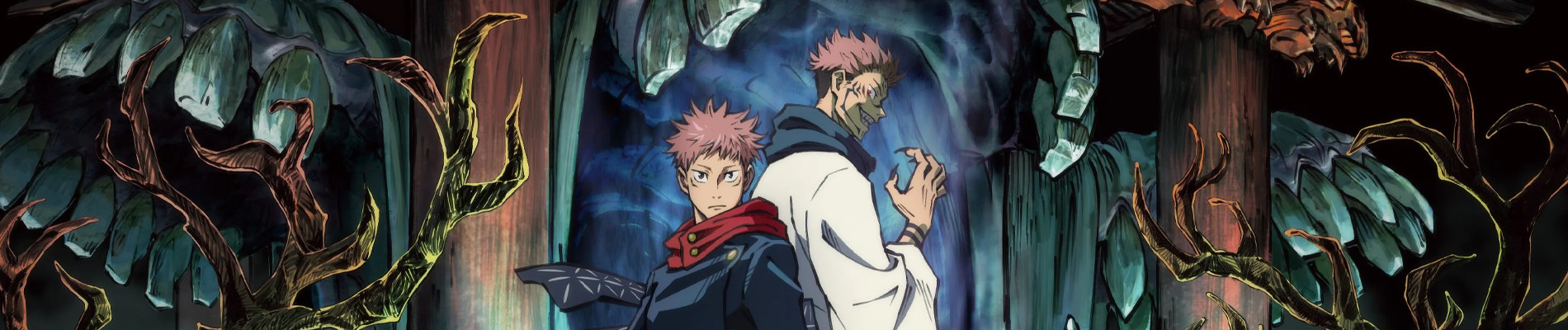
Confusion type: Continuing-series ending + character-identity reveal. Season 2 doesn't end the story; it ends the Shibuya Incident arc and sets up the Culling Game.
What happens: Pseudo-Geto is revealed to be Kenjaku, an ancient sorcerer who has been body-hopping for over a thousand years and was using Geto's corpse as his most recent vessel. Gojo Satoru is sealed inside the Prison Realm. Yuji Itadori is left without his teacher, having killed people during Sukuna's possession. Yuta Okkotsu returns. Mahito is finally killed by Yuji and Todo. The arc ends with the Culling Game being formally announced by Kenjaku — a death-game forcing surviving sorcerers to fight each other across barriers covering Japan.
Why it's confusing: Two character-identity reveals at once (Pseudo-Geto being Kenjaku; Yuta returning), Gojo's sealing creating a power-vacuum the show hasn't yet shown the consequences of, and a war-time-skip into the Culling Game that the season finale only briefly previews. Viewers search "JJK season 2 ending explained" because the transition into Season 3 is what's unclear.
The most defensible reading: Season 2's ending is a setup, not a conclusion. The Shibuya Incident's emotional payload (Gojo gone, Yuji broken, Mahito killed) lands. The mystery payload (Kenjaku's plan, the Culling Game's rules) gets explained in Season 3 (Winter 2026 [VERIFY release window]).
Read the full explanation: /anime/jujutsu-kaisen/ending-explained-season-2 (planned child page)
8. Erased
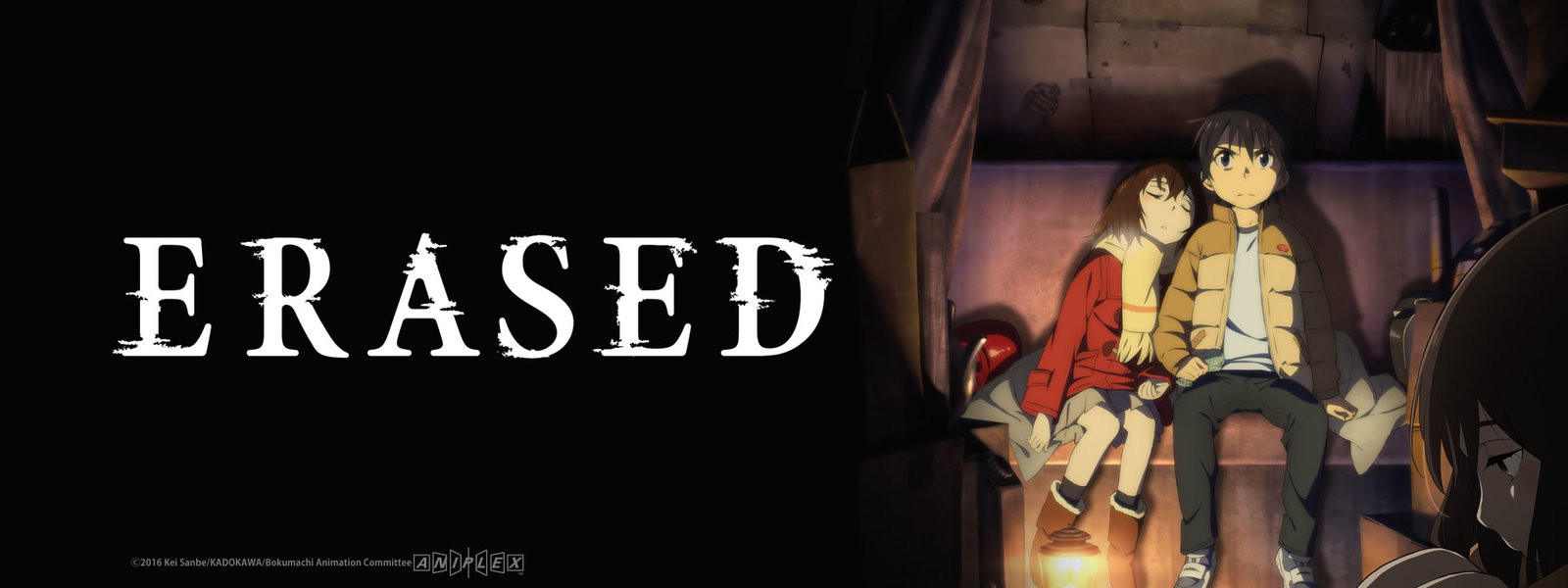
Confusion type: Adaptation — the anime ending differs notably from the manga ending, and viewers searching "Erased ending explained" are often comparing the two.
What happens (anime): Satoru wakes from his 15-year coma. Yashiro has been arrested for the original murders. Satoru meets Yashiro on a hospital rooftop in the final episode, confronting him directly. Yashiro tries to manipulate Satoru into suicide by jumping; Satoru refuses, having grown past the despair that defined his life before. Yashiro is arrested. Satoru reunites with Kayo (now married, with a child) and the rest of his childhood friends, who have grown up.
Why it's confusing: Two reasons. (1) The anime's climax compresses several key scenes from the manga, particularly the cat-and-mouse final stretch between Satoru and Yashiro — many fans felt the anime's pacing made Yashiro's motivations harder to track. (2) The romantic resolution between Satoru and Kayo doesn't happen the way many viewers expected — Kayo is married to someone else, and the show frames their bond as childhood-formative rather than romantic-endgame.
The most defensible reading: The anime's ending is about Satoru choosing to live after years of cynical disengagement. Yashiro's defeat isn't a triumph of clever plot — it's a triumph of Satoru no longer being susceptible to the despair Yashiro weaponizes. The romantic note with Kayo isn't a "missed" ending; it's the show arguing that the time-travel power didn't exist to give Satoru a love story, it existed to give him the will to live.
Read the full explanation: /anime/erased/ending-explained (planned child page)
9. Cowboy Bebop
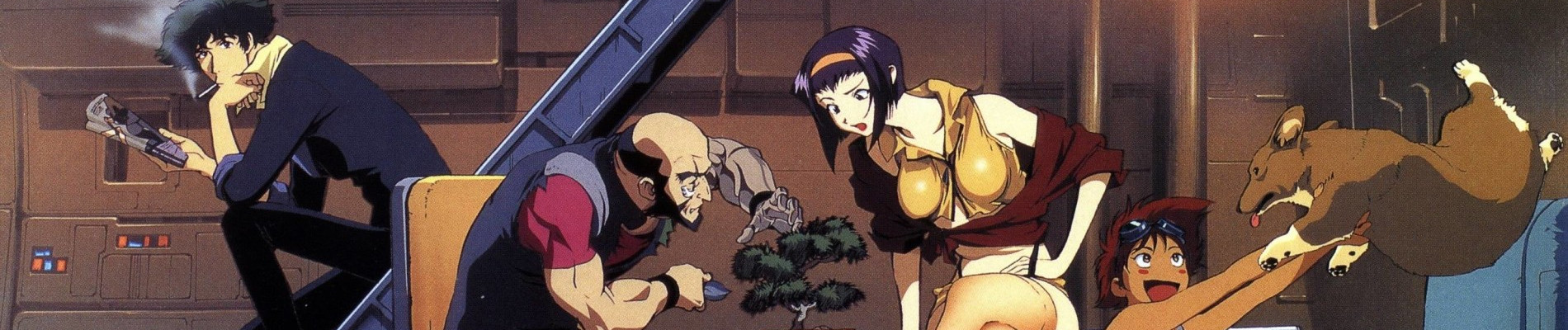
Confusion type: Interpretive — the ending is emotionally direct but intentionally restrained about Spike's final state.
What happens: Spike confronts Vicious one last time at the Syndicate headquarters. The fight is choreographed as a deliberately drawn-out ballet — both men exhausted, both already grieving Julia, both ready to die. Spike kills Vicious. He then collapses on the headquarters' stairs, says "Bang" with a finger-gun gesture at the few remaining syndicate members, and the show cuts to black with the words "You're gonna carry that weight" appearing on screen. The final shot is a single falling star against the closing credits.
Why it's confusing: Two interpretations have coexisted for 25+ years. (1) Spike dies — the music, the cut-to-black, the falling star, and Watanabe's own ambiguous statements all support this. (2) Spike survives — he's collapsed and exhausted but his "Bang" gesture suggests consciousness, and the show never explicitly shows his death. Director Shinichirō Watanabe has been deliberately non-committal in interviews across decades.
The most defensible reading: The ambiguity is the point. The show is about whether Spike can stop carrying the weight of Julia's death — and the ending refuses to resolve whether he does. The "You're gonna carry that weight" title card applies to both Spike (if he lives, he keeps carrying it) and to the audience (we keep carrying his story). Treating the ambiguity as a puzzle to solve misses the show's own statement.
Read the full explanation: /anime/cowboy-bebop/ending-explained (planned child page)
10. Perfect Blue
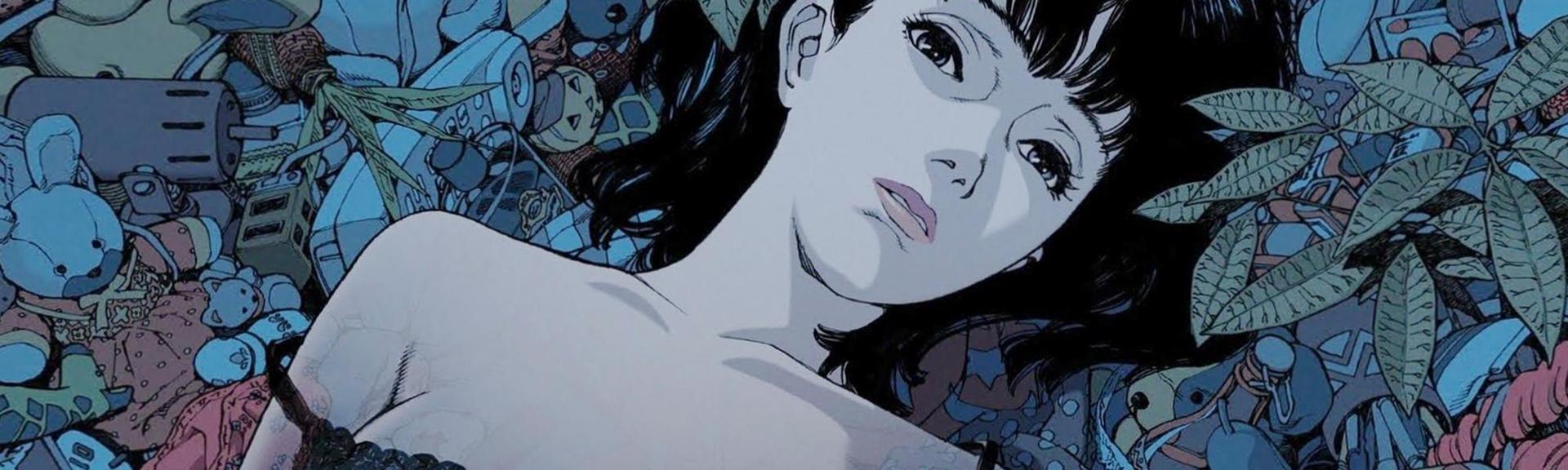
Confusion type: Reality-vs-perception — the film deliberately destabilizes which of its scenes are happening, which are Mima's hallucinations, and which are her stalker Rumi's delusions.
What happens: Mima Kirigoe transitions from pop idol to actress. Her stalker Me-Mania attacks her on set. The film's third act reveals that her manager Rumi has been imitating Mima's idol persona — that "Mima" was the murderer behind the killings throughout the film, not Mima herself. Mima saves Rumi's life during a final chase, and Rumi is placed in a psychiatric hospital. The very last scene shows Mima in normal clothes, visiting Rumi at the hospital, and saying "I'm real" with a small smile to her reflection in the rear-view mirror as she drives away.
Why it's confusing: The film intentionally makes it unclear which sequences happen, which are dreams, and which are Mima's psychological breakdown. The traditional "what's real and what's not?" puzzle is layered with an additional question: whose perception are we even seeing — Mima's, Rumi's-as-Mima, or the film's omniscient view? Satoshi Kon's editing intentionally cuts between identical-looking shots in different realities.
The most defensible reading: The final "I'm real" line is the film's resolution — Mima has integrated her past idol identity and present actress identity into a single coherent self. The horror of Perfect Blue is the horror of letting someone else define your identity (Rumi's projected idol-Mima); the resolution is reclaiming definitional control. Whether every individual scene is "real" matters less than whether Mima has emerged from the process intact, and she has.
Read the full explanation: /anime/perfect-blue/ending-explained (planned child page)
How to read an ambiguous anime ending
Most "[title] ending explained" pages make a basic mistake: they argue that there's a correct interpretation hidden inside the show, and the writer's job is to extract it. That's wrong for at least half of the endings on this list. Cowboy Bebop, Evangelion, Lain, and Code Geass are deliberately ambiguous. Their creators have explicitly said so in interviews.
A more honest framework:
- Separate "what literally happens" from "what it means." The literal events are usually clear once you re-watch with the ending in mind. The meaning is where reasonable people disagree.
- Separate the show's evidence from your emotional response. "I felt sad" doesn't tell you whether Spike died. The frame composition might.
- Treat ambiguity as a deliberate choice. Anno, Watanabe, Tomino, Kon, and Konaka all weaponize ambiguity intentionally. A "correct interpretation" is sometimes the wrong question to ask.
- Check source-material divergence. Several endings on this list (Attack on Titan, Erased, Code Geass) have anime versions that differ from manga/film versions. Both can be "canon" in their respective mediums.
FAQ
Q: What anime has the most confusing ending? A: Neon Genesis Evangelion is the most-cited, partly because it has multiple endings (TV, End of Evangelion, Rebuild films) and partly because all of them are intentionally ambiguous. Serial Experiments Lain is a close second if you measure by "viewers don't know what happened" rather than "viewers don't agree what it means."
Q: Is the Attack on Titan anime ending different from the manga? A: Mostly the same in events, but the anime added an explicit future-war coda showing the cycle of violence continuing past the main timeline. Some manga readers feel the coda makes Eren's Rumbling look more futile; others feel it confirms the anime is more thematically explicit than the manga.
Q: Do I need to watch The End of Evangelion after the TV ending? A: Not strictly. The TV ending is a complete experience in its own right. The End of Evangelion shows the same internal moment from a different angle and adds external-world context. If you want closure on what happened to NERV, SEELE, and the rest of the cast, watch it. If the TV ending's experimental approach worked for you, you don't have to.
Q: What does "ending explained" mean for anime? A: Pages that walk through the final episodes scene-by-scene, explain symbolism, address common misreadings, and (where relevant) discuss source-material differences. The good ones cite specific scenes and timestamps. The bad ones overpromise a "true meaning" that the show actually leaves open.
Q: Why do some anime endings feel unfinished? A: Several reasons. (1) Production schedule pressure forcing a TV ending before the manga has concluded. (2) Adaptation choices that diverge from source material for time reasons. (3) Intentional ambiguity by the director. (4) Cancellation. The first three are common in the endings above; the fourth is rarer but happens.
What's coming next
Each of the 10 entries above has a planned child page (/anime/{slug}/ending-explained) that goes deeper — scene-by-scene breakdowns, citations, source-material comparisons, and director-interview anchors where available. Those pages will roll out over the next few months. If you have a specific ending you'd like prioritized, MyAnimePulse tracks all of them on the analysis hub (planned).
For the trendiest entry right now — JJK's Season 2 ending — Season 3 (Winter 2026) [VERIFY release window] will resolve some open threads from the list above, particularly Gojo's sealing and the Culling Game setup. Watch for the season-end recap once it airs.