
Every anime genre explained (with examples)
Walk into any anime discussion and you'll immediately hear terms like "shonen," "seinen," "isekai," and "slice of life" thrown around as if everyone was born knowing what they mean. Nobody explains them. You're just supposed to figure it out through context clues, like learning a language by eavesdropping at a coffee shop.
This guide fixes that. Every major anime category, explained clearly with examples and common misconceptions called out. But first, there's one crucial distinction that most people, including a surprising number of longtime fans, get completely wrong.
The Distinction Everyone Gets Wrong: Demographics vs. Genres
Here's the single most important thing to understand. Shonen, shojo, seinen, josei, and kodomomuke are not genres. They are demographics. They describe who the manga magazine originally targeted, not what the story is about.
A genre tells you what the story contains: action, romance, horror, mystery. A demographic tells you the intended audience: teenage boys, teenage girls, adult men, adult women, young children. A single series stacks multiple genres on top of one demographic. Death Note is a shonen demographic + psychological thriller genre. Kaguya-sama: Love is War is a seinen demographic + romantic comedy genre. Yona of the Dawn is a shojo demographic layered with adventure, romance, and fantasy genres.
This means a shonen can be a romance. A seinen can be a comedy. A shojo can have large-scale battles. The demographic label tells you where it was published, not what happens in the story. Get this distinction down and you'll immediately understand anime categorization better than most people online.
Demographics: Who It's For
Shonen (少年)
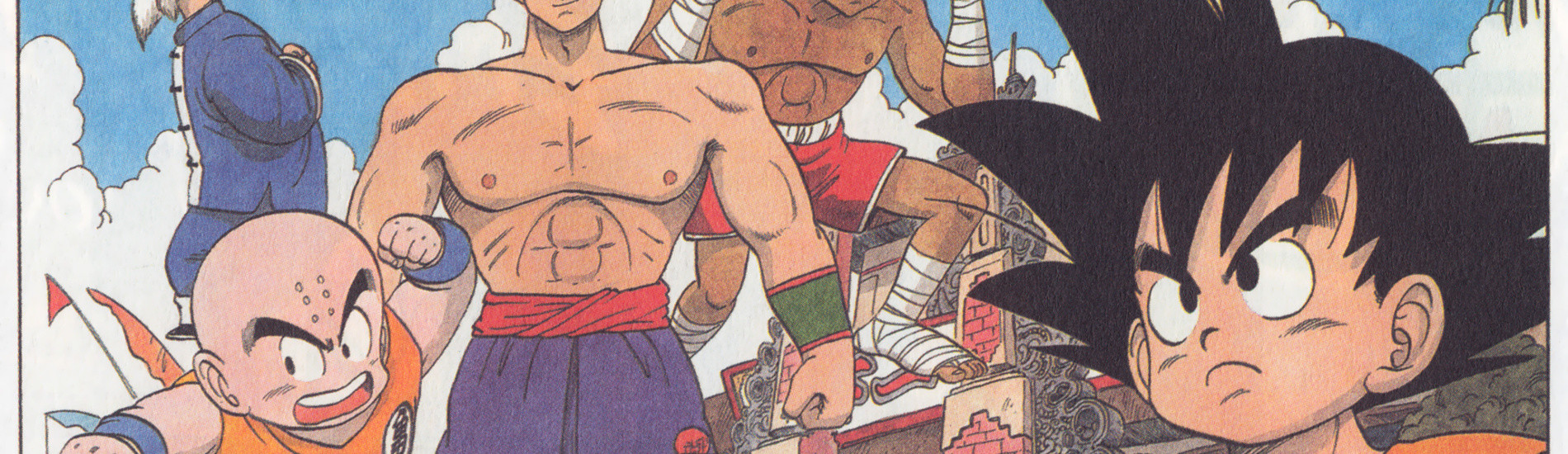
The word literally means "young boy." Shonen targets adolescent boys, roughly ages 9 to 18, and represents the largest segment of the Japanese manga market. The recurring themes are friendship, rivalry, personal growth, and competition. But here's what people miss: shonen is not just action. It includes comedy, romance, slice of life, and sports. The demographic also has a substantial female and adult audience. The readership has never been exclusively teenage boys.
Examples: Dragon Ball, Naruto, One Piece, Demon Slayer, Jujutsu Kaisen, Haikyuu!!, Blue Lock
Common misconception: "Shonen means action anime." No. Shonen means the magazine targeted young boys. The actual genre can be anything.
Shojo (少女)
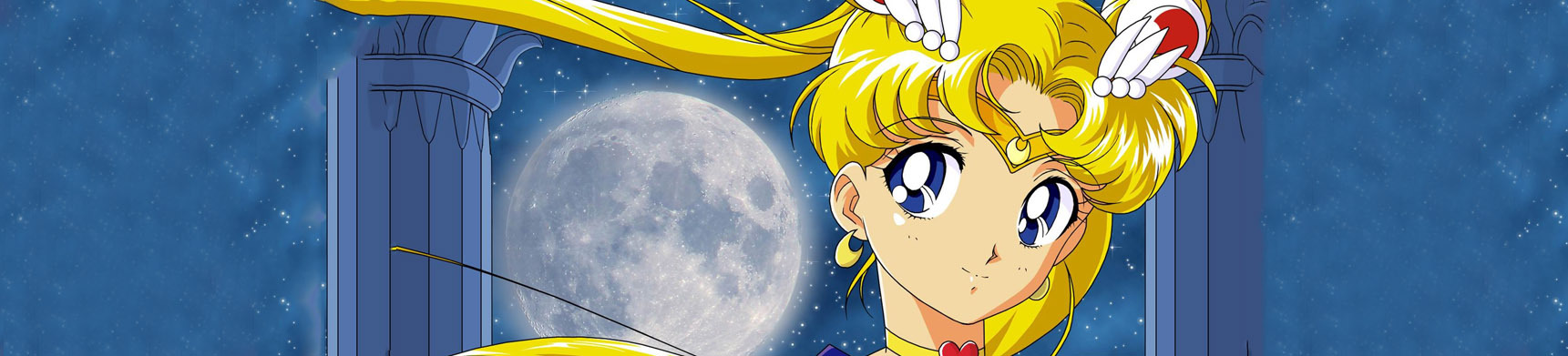
Literally "young girl." Shojo targets adolescent girls and young women, with an emphasis on relationships, emotion, and interiority. The style tends toward expressive character art and emotional depth. But shojo is not synonymous with "simple romance." The demographic has produced darker, experimental works and was one of the first to pioneer queer themes in manga. Sailor Moon blends large-scale magical battles with romance. The idea that "shojo means weak action" is flat-out wrong.
Examples: Sailor Moon, Fruits Basket, Ouran High School Host Club, Cardcaptor Sakura
Common misconception: "Shojo is just romance for girls." It's a demographic, not a genre, and it includes action, fantasy, horror, and experimental storytelling.
Seinen (青年)
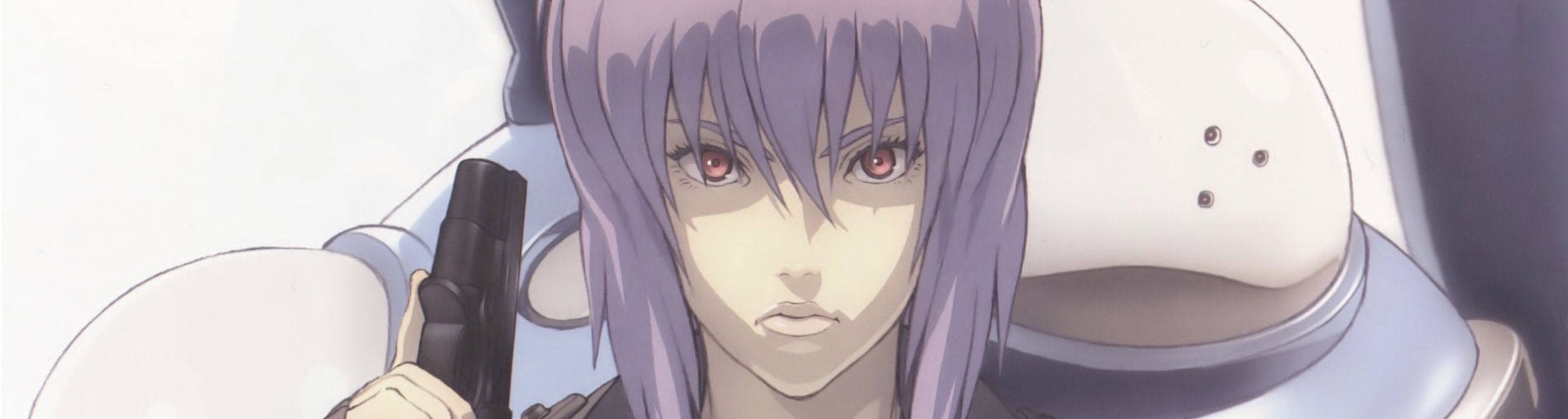
Literally "young man." Seinen targets young adult men, roughly ages 18 to 40. The demographic emerged in the late 1960s and 70s as publishers realized their shonen readers were growing up and wanted more mature content. Seinen is not just "grimdark" or "adult = sex and violence." It also includes comedies, workplace slice of life, and healing dramas. The range is enormous.
Examples: Berserk, Ghost in the Shell: Stand Alone Complex, Akira, Vinland Saga, Kingdom
Common misconception: "Seinen means dark and violent." Kaguya-sama: Love is War is seinen. So is Barakamon. The demographic spans every tone imaginable.
Josei (女性)
Literally "woman." Josei targets adult women and evolved from "ladies' comics" around the 1980s. Compared to shojo, josei features more grounded portrayals of relationships, work, family, and sexuality. The characters deal with adult complications: messy breakups, career pressure, flawed people trying to love each other honestly. Josei gets fewer TV anime adaptations than shonen or shojo, but the series that do get adapted tend to develop strong cult followings.
Examples: Honey and Clover, Nana, Chihayafuru
Common misconception: "Josei is just mature shojo." Josei has its own distinct tone, themes, and audience. The grounded realism is the point.
Kodomomuke (子供向け)
Literally "intended for children." Kodomomuke targets kids roughly under 10 to 13, featuring episodic stories, moral lessons, and simple conflicts. Western fans often lump kodomomuke titles into "shonen" by mistake, but they're their own distinct category with a much younger intended audience.
Examples: Doraemon, Anpanman, Pokemon (early seasons)
Genres: What the Story Is About
Now we get to the actual genres, what the story contains, regardless of who the magazine targeted.
Isekai (異世界)
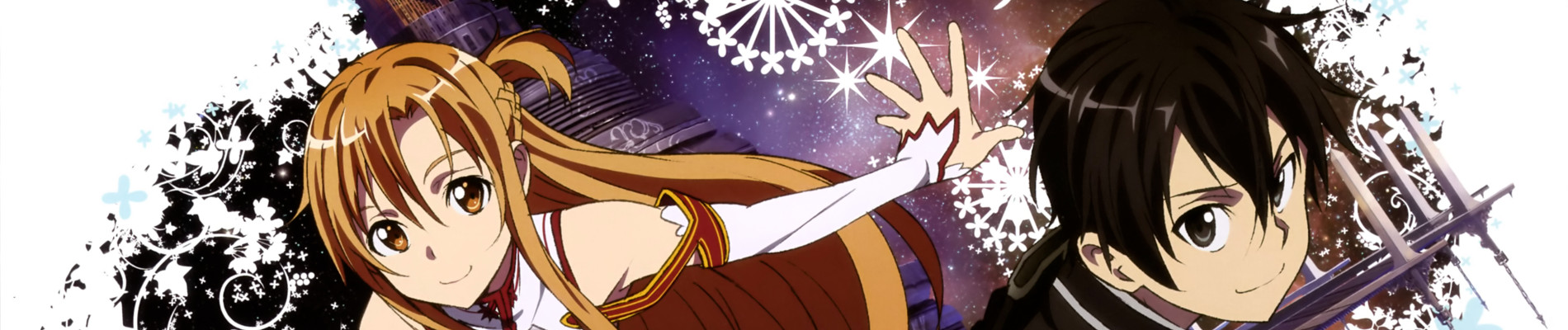
"Different world." A character from an ordinary world gets transported or reincarnated into another world. The concept traces all the way back to Urashima Taro folklore and shares DNA with Alice in Wonderland. The key requirement: there must be a transition from one world to another. A story set entirely in a fantasy world isn't isekai. The "fish out of water" displacement is the defining element. It's currently the most commercially saturated subgenre in anime.
Examples: Sword Art Online, Re:Zero, Mushoku Tensei
Common misconception: "Any fantasy anime is isekai." No. Isekai requires the protagonist to cross from one world into another. A native fantasy setting is just fantasy.
Mecha
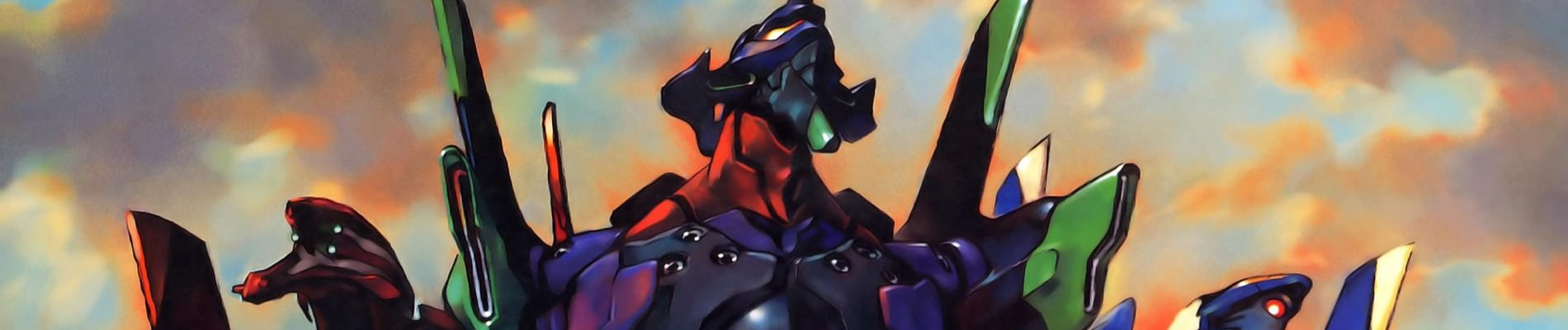
Large robots or mechanical suits piloted by humans. The genre splits into two major traditions: "super robot" (stylized heroes, rule-of-cool designs) and "real robot" (grounded military hardware, realistic physics). Mecha was shaped in the 1970s with Mazinger Z and evolved dramatically through the Gundam franchise. Despite recurring "mecha is dead" claims, titles like 86 and new Gundam entries keep the genre very much alive.
Examples: Mobile Suit Gundam, Neon Genesis Evangelion, Code Geass
Common misconception: "Mecha is a dead genre." New entries keep arriving, and older titles still have massive fanbases.
Slice of Life
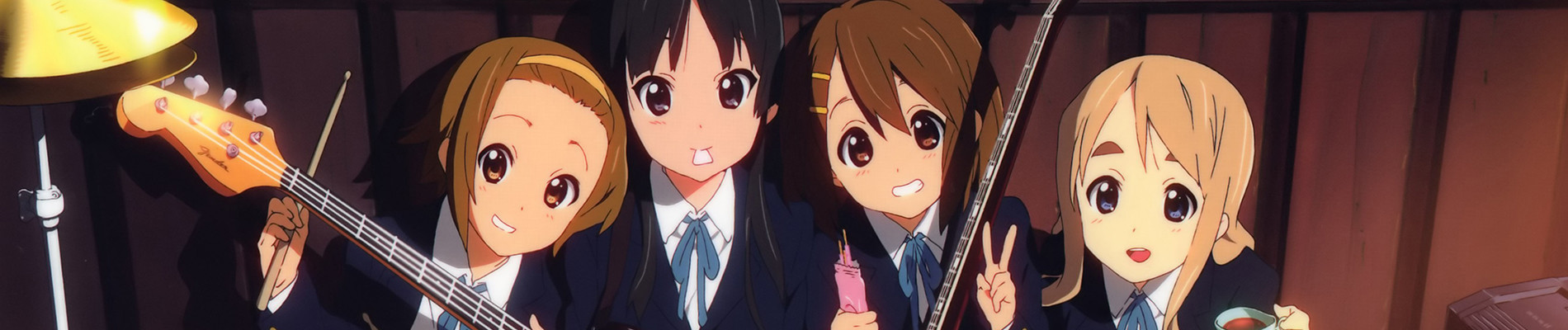
Everyday experiences, low-stakes events, and atmosphere over plot. Slice of life finds meaning in the mundane: making tea, walking home, navigating a friendship. "Nothing happens" is a lazy description. These shows focus on character arcs and emotional nuance; they just do it quietly. Slice of life can also be bittersweet or melancholic, not just lighthearted comedy.
Examples: K-On!, Barakamon, Non Non Biyori
Common misconception: "Slice of life means nothing happens." Plenty happens. It's just internal growth and subtle relationship shifts rather than explosions.
Romance
Love stories that cut across all demographics, not just shojo and josei. Toradora! runs in a shonen-adjacent magazine. Kaguya-sama is seinen. Clannad appeals to a broad audience. The genre spans everything from awkward first crushes to complicated adult relationships. And notably, many romance anime don't require a clear couple ending. Ambiguous conclusions are common and often intentional.
Examples: Toradora!, Kaguya-sama: Love is War, Clannad
Common misconception: "Romance anime is a shojo thing." Romance exists across every demographic. Some of the most popular romance titles are shonen or seinen.
Comedy
Primary focus: making you laugh. Anime comedy ranges from absurdist visual gags to dark satire to rapid-fire parody. What makes anime comedy distinctive is that it can handle serious drama too. Gintama switches from ridiculous comedy to devastating emotional arcs seamlessly, sometimes within the same episode.
Examples: Gintama, Nichijou, Konosuba
Common misconception: "Comedy anime are just filler." Some of the most acclaimed anime ever made are primarily comedies.
Sports
Organized athletic competition, training arcs, teamwork, and rivalry. Sports anime appeal goes far beyond actual sports fans. The draw is relationship dynamics, underdog narratives, and the emotional weight of competition. The genre exists across demographics too, including josei and seinen, not just shonen.
Examples: Haikyuu!!, Kuroko's Basketball, Yuri!!! on Ice, Blue Lock
Common misconception: "You need to like the sport to enjoy sports anime." The sport is the vehicle. The characters and drama are the engine.
Horror
Anime that aims to evoke fear, dread, or disgust. The genre draws heavily on Japanese folklore: yokai, curses, vengeful spirits, alongside Western horror traditions. An important distinction: gore alone doesn't make something horror. True horror anime sustain tension and atmosphere, building dread rather than just splashing blood on screen.
Examples: Another, Higurashi: When They Cry, Junji Ito Collection
Common misconception: "Horror anime is just gore." Sustained tension and psychological dread are what define the genre, not body count.
Psychological
Stories that foreground mental states, perception, and inner conflict. These anime make the characters' minds the primary battleground. "Deep" or "confusing" alone doesn't equal psychological. The minds of the characters must be a thematic focus, not just a side effect of convoluted plotting.
Examples: Neon Genesis Evangelion, Serial Experiments Lain, Death Note
Common misconception: "Any confusing anime is psychological." A show can be confusing without ever meaningfully exploring its characters' mental states.
Sci-Fi

Speculative technology, space, artificial intelligence, altered futures. Anime sci-fi has a strong tradition of asking genuinely uncomfortable philosophical questions wrapped in stunning visuals. Sci-fi isn't limited to space settings. Near-future urban technology and cybernetic societies count too.
Examples: Akira, Ghost in the Shell, Cowboy Bebop, Psycho-Pass
Fantasy
Supernatural or magical elements as central story components. Fantasy anime often draws from both Western European and Japanese mythological traditions. Fantasy is not the same as isekai. A fantasy story takes place in a world with magic and supernatural elements; an isekai requires the protagonist to travel from one world to another. All isekai are fantasy, but not all fantasy is isekai.
Examples: Fullmetal Alchemist: Brotherhood, Made in Abyss, Magi
Supernatural
Ghosts, yokai, curses, ESP, gods. Elements that break the normal rules of reality. What distinguishes supernatural from pure fantasy is that supernatural anime usually keep one foot in a recognizable version of our world. The supernatural layer exists alongside everyday life. These shows can be calm slice-of-life or intensely dark horror, depending on how the supernatural elements are handled.
Examples: Natsume's Book of Friends, Jujutsu Kaisen, Mushishi
Mystery / Thriller
Two related but distinct genres. Mystery focuses on uncovering hidden information: clues, investigation, payoffs. Thriller focuses on sustaining tension and danger. Many shows blend both. Important: "confusing" alone doesn't make something a mystery. A proper mystery gives you clues and rewards you for paying attention.
Examples: Detective Conan, Monster, Death Note
Niche Categories and Subgenres
Magical Girl (Mahou Shoujo)
Young girls gain magical powers, transform with signature outfits, and fight evil or solve problems. The prototype traces back to Princess Knight (1953) and Sally the Witch (1966), while Sailor Moon popularized the modern template. Not all magical girl anime are light and childish. Madoka Magica is a famous dark deconstruction that uses the cheerful exterior to explore trauma and sacrifice.
Examples: Sailor Moon, Cardcaptor Sakura, Puella Magi Madoka Magica
Cyberpunk
High-tech, low-life futures featuring advanced computing, cybernetics, and oppressive societal structures. Japanese cyberpunk has its own distinct flavor: industrial imagery, body modification, experimental visuals, all diverging from Western cyberpunk. The movement started with the Akira manga in 1982 and the landmark 1988 film adaptation.
Examples: Akira, Ghost in the Shell, Serial Experiments Lain, Psycho-Pass
Post-Apocalyptic
Life after a civilization-ending catastrophe, survival in a ruined world. The tone can range from bleak nihilism to cautious hope. Dystopian and post-apocalyptic are not the same thing. Dystopias have intact but oppressive societies. Post-apocalyptic worlds have already collapsed.
Examples: Fist of the North Star, Evangelion (later arcs), Heavenly Delusion
Historical
Stories set in real past time periods: Sengoku, Edo, Meiji, and beyond, sometimes blended with fantasy elements. The key requirement is that the story involves identifiable historical time periods or events, not just a vaguely old-fashioned setting.
Examples: Rurouni Kenshin, Vinland Saga, Kingdom
Ecchi (エッチ)
Suggestive and fanservice-heavy content that stays short of explicit pornography. The name derives from the Japanese pronunciation of the letter "H," which became associated with hentai. Ecchi is not hentai. It's suggestive, not explicit. Think revealing outfits, provocative camera angles, and innuendo-heavy humor without crossing the line.
Examples: To Love-Ru, High School DxD, Prison School
Harem / Reverse Harem
Harem: a single (usually male) protagonist surrounded by multiple plausible romantic interests. Reverse harem: a single female protagonist with multiple male interests. The key word is "plausible." One main couple with some side characters doesn't count. You need multiple romantic interests who all have a real shot.
Examples (Harem): The Quintessential Quintuplets, Tenchi Muyo! Examples (Reverse Harem): Ouran High School Host Club, Fruits Basket
BL / Yaoi (Boys' Love)
Romantic and sexual relationships between male characters, typically created by women for a female audience. The term "yaoi" originated in doujinshi culture. It's an abbreviation meaning "no climax, no point, no meaning," originally used for parody and explicit fan works. BL is not the same as general gay male representation. It's a specific commercial genre with its own tropes and conventions.
Examples: Junjou Romantica, Given, Yuri!!! on Ice (BL-coded)
GL / Yuri (Girls' Love)
Romantic, emotional, or sexual relationships between women. The "yuri" (lily) association emerged in the 1970s and 80s, and dedicated magazines like Yuri Shimai (2003) and Comic Yuri Hime (2005) helped establish it as a distinct category. Modern yuri is not just "lesbian fanservice for men." The genre now includes works created for female, queer, and general audiences.
Examples: Revolutionary Girl Utena, Bloom Into You, Citrus
Where to Start
Don't try to tackle every genre at once. Pick two or three that line up with what you already enjoy in other media. Like psychological thrillers? Start with Death Note or Monster. Prefer something quiet and atmospheric? Barakamon or Non Non Biyori. Want giant robots with existential dread? Evangelion. Looking for a sports story where you don't need to know the sport? Haikyuu!!
Remember: most anime blend multiple genres. Evangelion is mecha, psychological, sci-fi, and post-apocalyptic all at once. Jujutsu Kaisen mixes shonen-demographic action with genuine horror and supernatural elements. The labels are starting points, not boxes.
The only wrong way to get into anime is to let someone else's preferences override your own curiosity. Browse, sample, drop what doesn't click, keep going. Your taste will surprise you.