
How to figure out anime watch orders (without losing your mind)
You want to watch Fate. You Google "Fate watch order." You find a flowchart that looks like a Tokyo subway map, three Reddit threads that contradict each other, and a 45-minute YouTube video where someone explains the visual novel routes before recommending you start with a show from 2011. You close all your tabs and watch something else.
This happens with a lot of franchises. Anime studios love prequels, side stories, alternate timelines, and reboots that share a name with the original but aren't actually the original. The result is that perfectly good shows become inaccessible because nobody can agree on where to start.
So here's the plan. We're going through the most notoriously confusing anime franchises, and for each one, giving you one clear recommendation for how to watch it. Not every possible order. Not a debate. Just the path that works best for most people.
The two approaches: release order vs chronological
Before we get into specific shows, you need to understand the two camps that dominate every watch order argument on the internet.
Release order means watching things in the order they came out. This is almost always the safer bet. Studios made each entry assuming you'd seen what came before it, so pacing, reveals, and emotional beats are designed for this sequence. You experience the story the way audiences originally did.
Chronological order means rearranging everything by in-universe timeline. This can work for rewatches or for franchises where the timeline is mostly linear anyway, but for a first watch it often ruins dramatic reveals. A prequel that came out ten years later was written assuming you already know where the story ends. Watching it first strips away the mystery.
General rule: go release order on your first watch. You can always rewatch chronologically later. You can't un-spoil yourself.
Fate series

The big one. The franchise that launched a thousand flowcharts.
The original source is the Fate/stay night visual novel from 2004, which has three routes: Fate, Unlimited Blade Works, and Heaven's Feel, meant to be played in that sequence. The anime adaptations don't cover those routes cleanly. Studio DEEN adapted the Fate route in 2006 and made a UBW movie in 2010. Then ufotable came along with Fate/Zero (2011-2012), a UBW TV series (2014-2015), and the Heaven's Feel film trilogy (2017-2020). And as of January 2026, Fate/strange Fake is airing weekly as a full TV series.
The main disagreement is whether to start with Zero (chronological, stellar production) or UBW TV (preserves mysteries the visual novel intended). IGN recommends the 2006 version first. Anime Deluxe recommends UBW first. Everyone has opinions. Here's ours:
The recommendation for beginners:
- Fate/stay night: Unlimited Blade Works (2014-2015, ufotable TV series), the strongest animated version of the core Fate story. Preserves the mysteries that make later entries hit harder.
- Fate/stay night: Heaven's Feel (movie trilogy, 2017-2020), the darkest route. Builds on UBW's foundation.
- Fate/Zero (2011-2012). Now you have context for why this prequel is devastating.
Skip the UBW movie from 2010 if you're watching the TV series. The 2006 stay night is optional; it hasn't aged well and awkwardly mixes elements from multiple routes, though completionists might still want it.
Common mistakes people make: starting with Heaven's Feel before UBW (it assumes you know the characters), thinking Apocrypha or Grand Order or Prisma Illya are direct sequels (they're separate timelines), and treating the entire Fate franchise as one linear story. It isn't. The spin-offs, Apocrypha, Grand Order, Extra, Prisma Illya, strange Fake, are their own things. Watch them if you're hooked, but they branch off from the main trunk.
Monogatari series
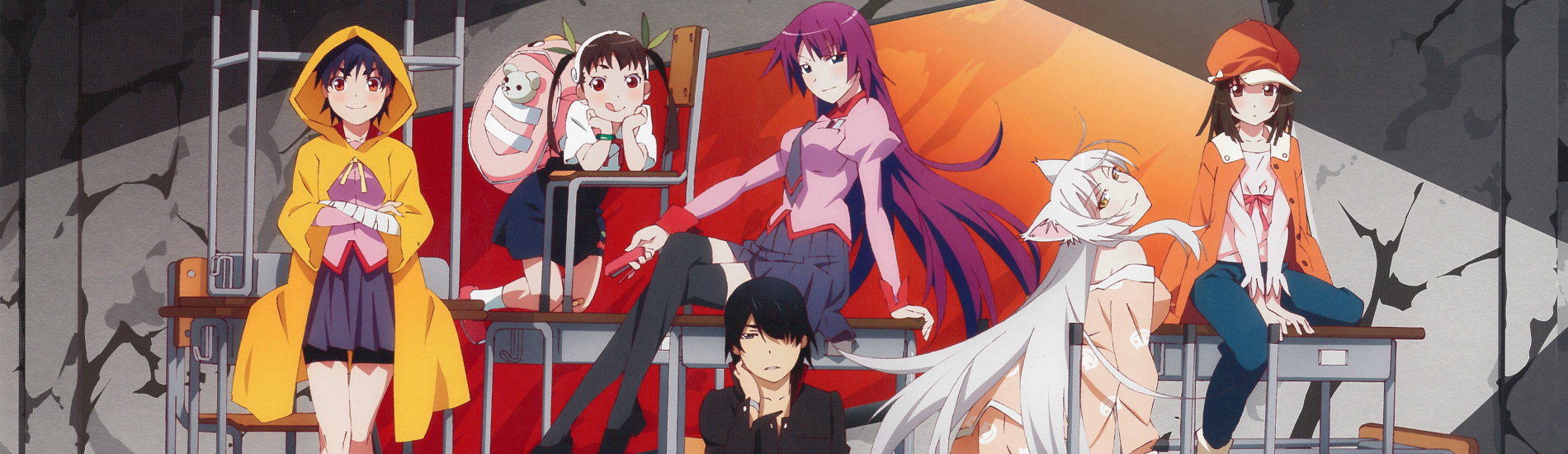
Monogatari's watch order is confusing for a different reason: it's intentionally non-linear. The light novel order, the anime release order, and the chronological order are three different sequences, and the series is designed around delayed information. Watching it chronologically defeats the entire point.
The big debate is where Kizumonogatari goes. The novels position it early (right after Bakemonogatari), but the films released much later. Watching Kizu early gives you Araragi's backstory sooner. Watching it later means the reveals land when SHAFT intended. Both work. We lean toward the novel-informed order because the backstory enriches everything that follows.
The recommendation:
- Bakemonogatari
- Kizumonogatari trilogy (this is where novel order places it, right after Bake)
- Nisemonogatari
- Nekomonogatari: Black
- Monogatari Series Second Season
- Hanamonogatari
- Tsukimonogatari
- Owarimonogatari (Season 1)
- Koyomimonogatari. Don't skip this one, it sets up critical later material.
- Owarimonogatari (Season 2)
- Zoku Owarimonogatari
- Off & Monster Season (active from 2024 onward, with additional material announced)
A note on Kizumonogatari: Koyomi Vamp is skippable if you've already watched the three films, since it covers the same events.
The series is dialogue-heavy, visually experimental, and full of wordplay. It rewards patience. If you bounce off Bakemonogatari's first few episodes, that's normal. Give it until episode 5.
Gundam (Universal Century)
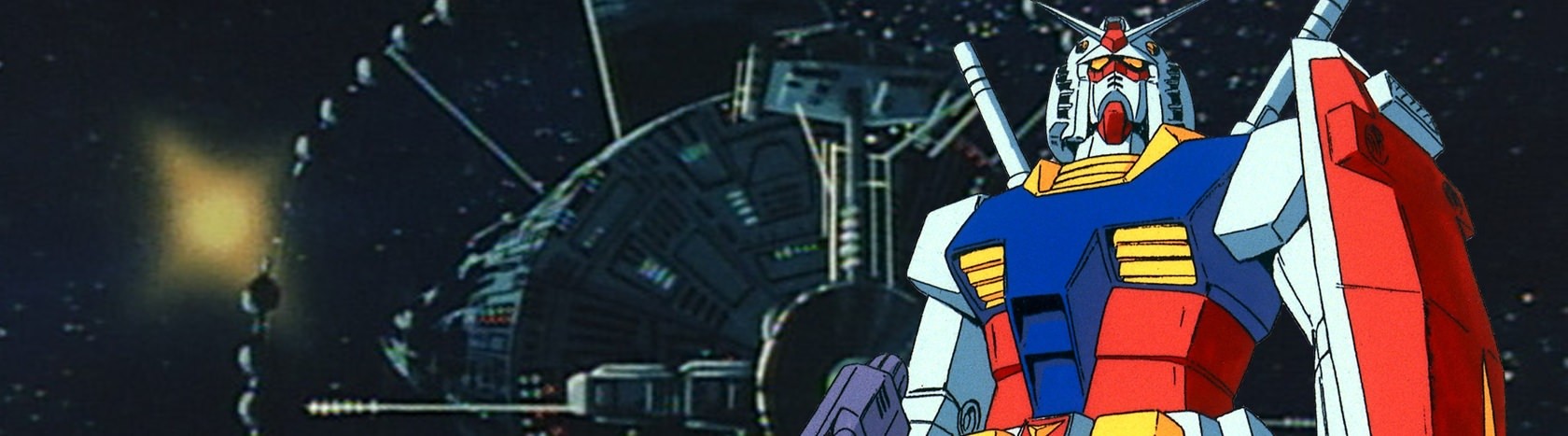
Gundam isn't one story. It's a multiverse. There's the Universal Century timeline (the original continuity from 1979) and a bunch of standalone alternate universes that share the name but have nothing to do with each other.
The UC core spine:
- Mobile Suit Gundam (1979) or the compilation movies
- Zeta Gundam
- ZZ Gundam (divisive tone shift, but it's part of the spine)
- Char's Counterattack (movie, the climax of Amuro vs Char)
- Unicorn → Narrative → Hathaway
- F91 → Victory
Side stories like 08th MS Team, War in the Pocket, 0083, and The Origin are optional but excellent. They flesh out the UC world without being required for the main throughline.
For Hathaway specifically: The Sorcery of Nymph Circe hits U.S. theaters May 15, 2026.
The common mistake: starting with Unicorn without having seen Char's Counterattack. Unicorn assumes you understand the Char/Amuro rivalry and the political history of the One Year War. Without that, half the emotional weight vanishes.
If you want a modern standalone entry point instead: Wing, SEED, 00, Iron-Blooded Orphans, Witch from Mercury, and the currently airing GQuuuuuuX are all separate alternate universes. Pick whatever premise sounds interesting. No prior Gundam knowledge needed.
JoJo's Bizarre Adventure
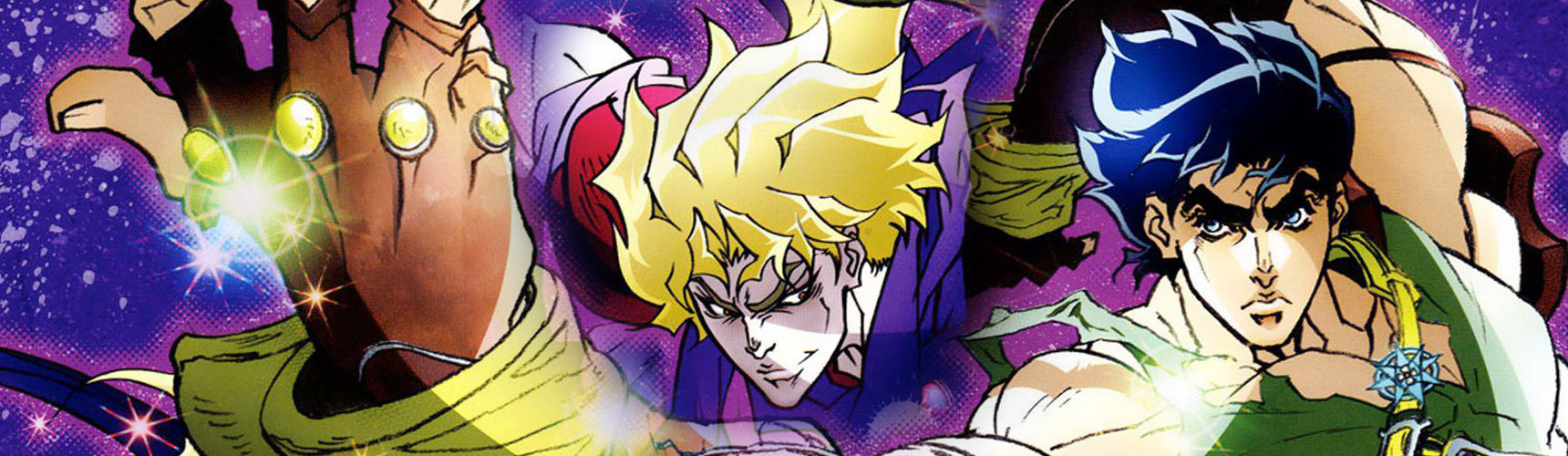
Good news: JoJo's is actually straightforward. Each Part follows a different Joestar family member in a different era, and the anime adapted them in order.
Watch order:
- Part 1: Phantom Blood + Part 2: Battle Tendency (bundled in one season)
- Part 3: Stardust Crusaders (2014-2015)
- Part 4: Diamond is Unbreakable (2016)
- Part 5: Golden Wind (2018-2019)
- Part 6: Stone Ocean (2021-2023)
- Part 7: Steel Ball Run, 1st STAGE on Netflix 2026, with 2nd STAGE coming weekly in fall 2026
Steel Ball Run is technically a new continuity in the manga, but treat it as Part 7. The anime is presenting it that way.
Do NOT skip Parts 1 and 2. They establish the Joestar lineage and Dio, who matters for the rest of the series. Part 1 is only 9 episodes. Power through it even if the pacing feels dated. Part 2 immediately picks up the energy.
The old OVAs from the 90s? Skippable curiosities. Fun for completionists, irrelevant for everyone else.
Dragon Ball
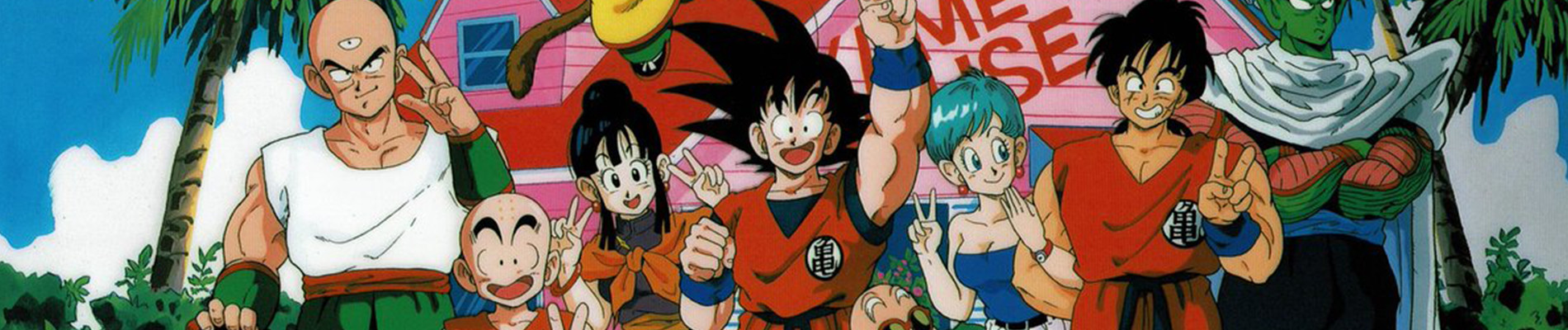
The core canon path:
- Dragon Ball (original: kid Goku, martial arts tournaments, adventure)
- Dragon Ball Z or Dragon Ball Z Kai (pick one, don't watch both. Kai cuts the filler.)
- Dragon Ball Daima (aired October 2024 - February 2025)
- Dragon Ball Super
- Dragon Ball Super: Broly (movie)
- Dragon Ball Super: Super Hero (movie)
GT is optional alternate continuity. Super effectively replaced it. The Super Heroes promotional anime isn't necessary either.
The Kai question: DBZ has 291 episodes. Kai covers the same story in 167 with filler removed. If you're watching for the first time in 2026, Kai is the better experience. Original Z has nostalgic value, but it also has five-episode power-up sequences.
Battle of Gods and Resurrection F (movies) get retold in the early episodes of Super, so you can skip the films and start Super from episode 1 without missing anything. Most older Z movies are non-canon side stories.
Naruto
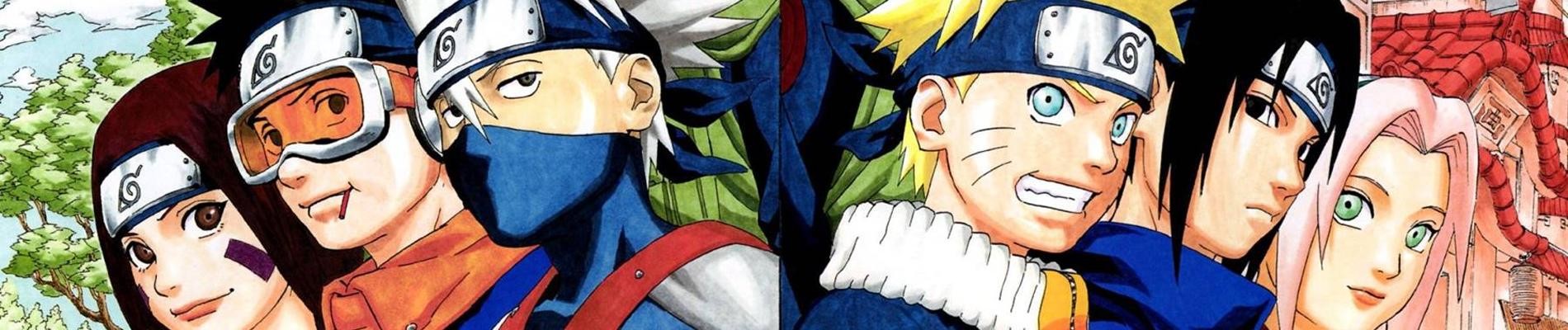
Naruto is 720 episodes across the original series and Shippuden. Roughly 40% of that is filler. If you watch everything without a guide, you will spend literal weeks on episodes that contribute nothing to the story.
The approach:
- Naruto (episodes 1-220). Skip episode 26 (recap), episode 97, episodes 101-106, and episodes 136-219 (massive filler block). Watch the second half of episode 220.
- Naruto Shippuden. Major filler blocks to skip: 57-71, 91-112, 144-151, 170-171, 176-196, 223-242, 257-260, 271, 279-295, 303-320, 347-361, 376-377, 388-390, 394-413, 416-417, 422-423, 427-450, 464-468, 480-483
- The Last: Naruto the Movie. Don't skip this one. It's important for Naruto and Hinata's story and bridges to what comes after.
Common mistakes: watching every filler episode and burning out before Shippuden even gets good, skipping The Last, and jumping straight into Boruto without finishing Shippuden. Boruto's TV series ended its first part in 2023, and Two Blue Vortex continues as ongoing manga.
One Piece
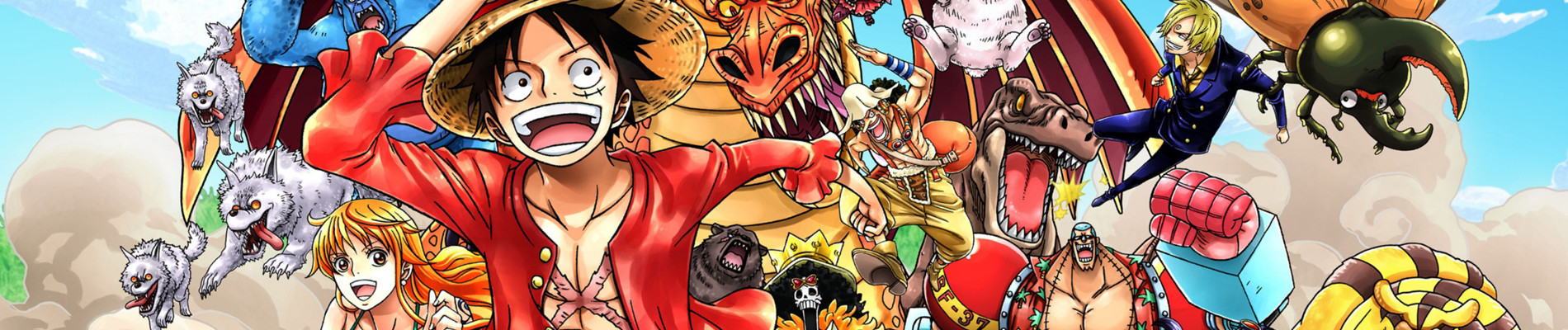
One Piece is one continuous story from episode 1 to present, currently in the Elbaph arc. There's no complex viewing order. Just press play and go. The challenge is the sheer volume.
Toei adopted a two-cour format in 2026, producing roughly 26 new episodes per year instead of the old uninterrupted weekly schedule. This should help with the pacing issues that plagued later arcs.
Filler to skip: 54-61, 131-143, 220-226, 326-335, 382-384, 426-429, 575-578, 626-628, 747-750, 780-782, 895-896. Exception: the G-8 arc (episodes 196-206) is filler but widely loved. Recommend watching it. It's genuinely funny and well-written.
One Pace is a fan project that re-cuts the anime to match manga pacing. It's unofficial but well-regarded. Netflix also has THE ONE PIECE, a remake by WIT Studio, currently in development.
If the art style in the first episodes puts you off, push through to Arlong Park (episode 31). That's where most people get hooked.
Toaru (Index / Railgun / Accelerator)
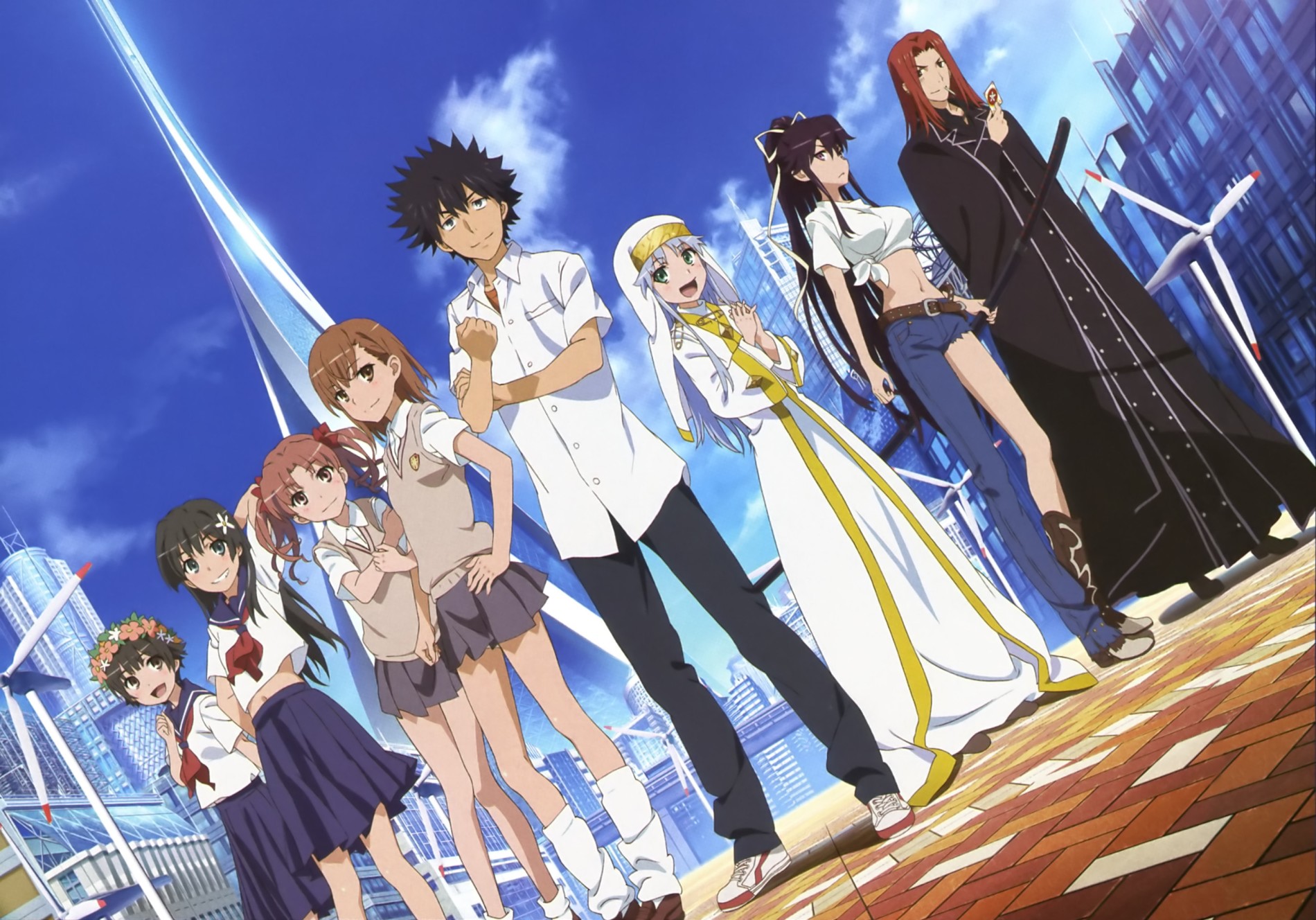
The Toaru franchise has two main series: Index (magic side) and Railgun (science side), running on parallel timelines in the same city, with events that overlap. The Sisters arc in particular gets viewed from completely different perspectives across both shows.
Release order:
Index → Railgun → Index II → Railgun S → Endymion movie → Index III → Accelerator → Railgun T
Popular fan alternate order:
Railgun → Railgun S → Index → Index II → Endymion → Accelerator → Railgun T → Index III
The disagreement: start with Index for the main story, or Railgun for a stronger anime introduction. Railgun is generally considered the better-produced anime. Index covers the broader world but Season 3 is notoriously rushed. The source material (Genesis Testament light novels) is still ongoing.
Sword Art Online
Not as complicated as people make it, but the Progressive films cause confusion.
Release order: SAO → Extra Edition → SAO II → Ordinal Scale → Alicization → Progressive films
Extra Edition is a recap/bridge episode, skippable. Gun Gale Online is a spin-off that's non-essential. The main thing to know: the Progressive films are NOT replacements for the original series. They retell early events from a different angle. Don't start with Progressive thinking it replaces Season 1.
Ghost in the Shell
Multiple continuities that don't share a single timeline. The Oshii films, Stand Alone Complex, and Arise are separate visions of the same world.
Start with the 1995 film. It's one of the most influential anime ever made and it's where most people's relationship with the franchise begins. From there: Innocence (Oshii's sequel), then Stand Alone Complex + Solid State Society, then Arise + The New Movie if you want more.
A new series, Ghost in the Shell THE GHOST IN THE SHELL, launches in July 2026.
General tips for any confusing franchise
Start with whatever has the best first episode. If a franchise has 8 entry points and one of them has a genuinely great opening hook, start there. Optimal viewing order means nothing if you drop it after episode 2.
Don't feel obligated to watch everything. Most franchises have a "core" path and a mountain of side content. You can love Fate without watching every spin-off. You can love Gundam without touching 70% of the timeline.
OVAs and specials are almost always optional. They're usually bonus content for existing fans. If a guide lists them, mentally file them under "watch later if you want more."
Trust your instincts over the internet. If you started a show "wrong" according to Reddit and you're enjoying it, you're watching it right. The goal is to have a good time, not to pass an exam.
Release order is your default. When in doubt, watch things in the order they came out. It works for 90% of franchises, and the other 10% usually have one obviously better alternative that every guide agrees on.
The anime community has a talent for making watch orders feel like homework. They're not. Pick a show, press play, and if you get lost, look up the one thing you're confused about instead of pre-optimizing the entire journey. You'll figure it out as you go. Everyone does.