
15 underrated anime you probably haven't watched yet
Every "hidden gem" list on the internet recommends Mob Psycho 100 and Vinland Saga. Those are excellent shows. They are also wildly popular, critically acclaimed, and recommended constantly. They are not hidden. They are not gems you need to dig for. They are sitting on the surface, fully polished, with neon signs pointing at them.
This list is different. These are 15 anime that genuinely do not get the attention they deserve. Some of them aired at 2 AM to near-silence. Others got buried by platform algorithms. A few of them are among the best things ever produced in the medium and yet most anime fans have never pressed play. That frustrates me more than it should, and this article is my attempt to fix it.
15. Vivy: Fluorite Eye's Song
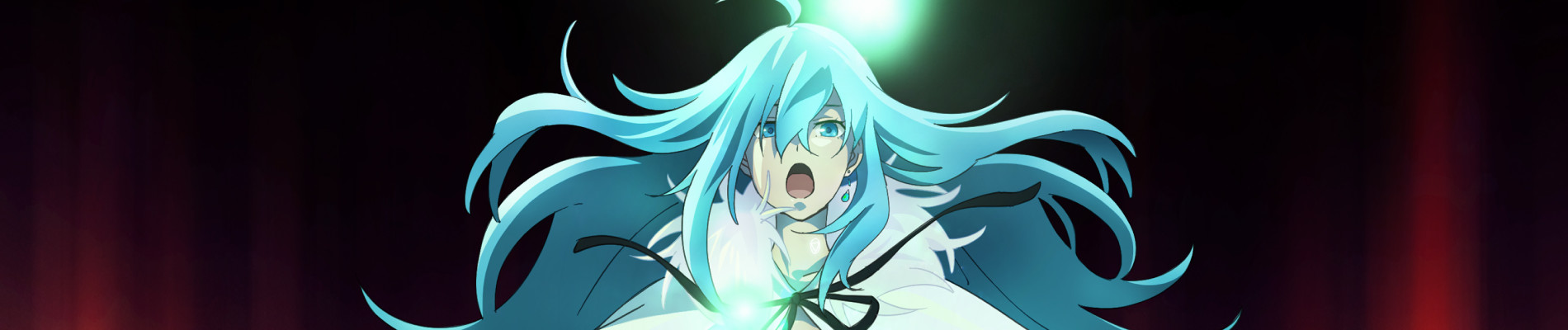
An AI songstress is recruited to prevent a future war between humans and artificial intelligence, rewriting history across a century-spanning arc one mission at a time. That is a phenomenal premise. It comes from the minds of Re:Zero author Tappei Nagatsuki and writer Eiji Umehara. It was produced by Wit Studio. It should have been enormous.
Instead, Vivy aired in Spring 2021, the same window as Odd Taxi, the same season Demon Slayer: Mugen Train was dominating television. The idol-adjacent marketing probably made people scroll past it, assuming it was another cute-girl show with a gimmick. It isn't. It's a high-concept science fiction drama that blends AI ethics with genuine emotional weight, and the action sequences are among the best Wit Studio has ever animated.
MAL score of ~8.38 with 600k+ members. Respectable, but nowhere near where it should be. It's now available on both Netflix (launched April 2, 2026) and Crunchyroll, plus there's a light-novel prequel (Vivy Prototype) and a manga adaptation that expand the timeline further. This deserved to be the next Steins;Gate-level conversation piece. It barely registered.
14. Rainbow: Nisha Rokubou no Shichinin
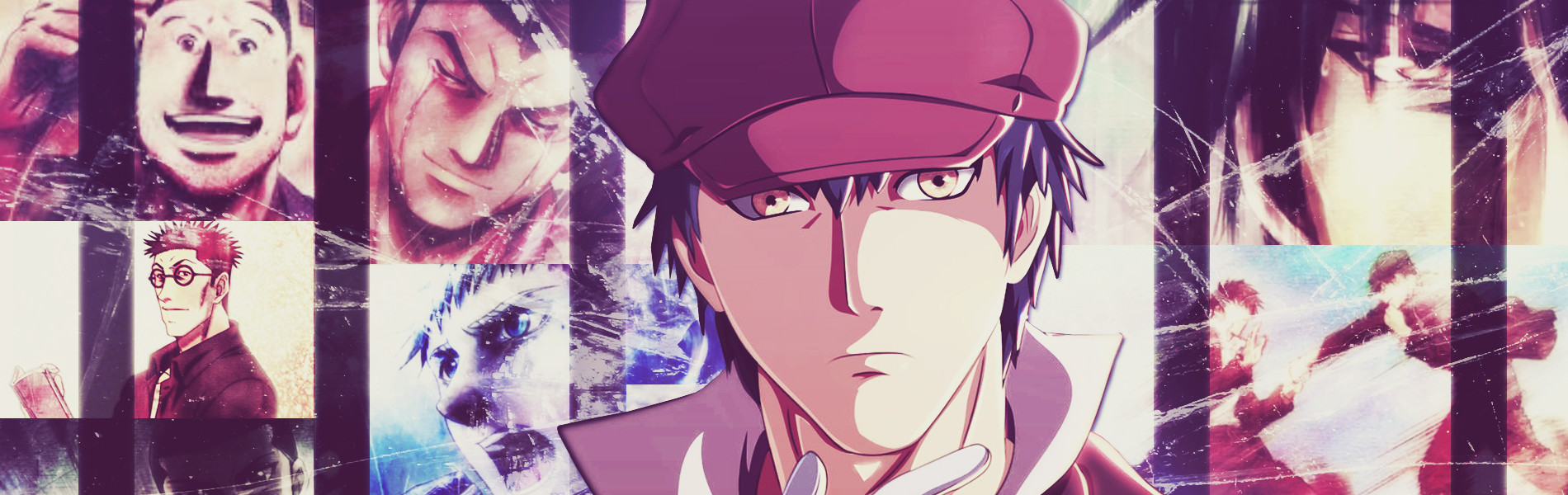
Seven teenagers in a post-war Japanese reform school survive abuse, systemic violence, and a system designed to break them. Their bond with an older inmate becomes the emotional backbone of 26 episodes that refuse to look away from human cruelty but never lose faith in human connection.
The subject matter is the problem. Postwar trauma, institutional abuse, relentless bleakness. It's a hard sell, and the anime community's algorithm-driven discovery mechanisms don't reward "something you only watch when you're emotionally ready for it." That's actually how older fans describe Rainbow: almost a rite of passage you encounter when the time is right.
MAL ~8.46, 160k+ users, roughly 425k members. Produced by Madhouse with direction by Hiroshi Koujina, this is a show about male friendship and solidarity under oppressive systems that hits with devastating force. The focus on brotherhood, real, tested, earned brotherhood, gives it an emotional honesty that most anime about male bonding never achieve. It aired in 2010, got decent reviews, and then vanished from the conversation entirely. Fewer members than most seasonal comedies. That's an injustice.
13. Sonny Boy
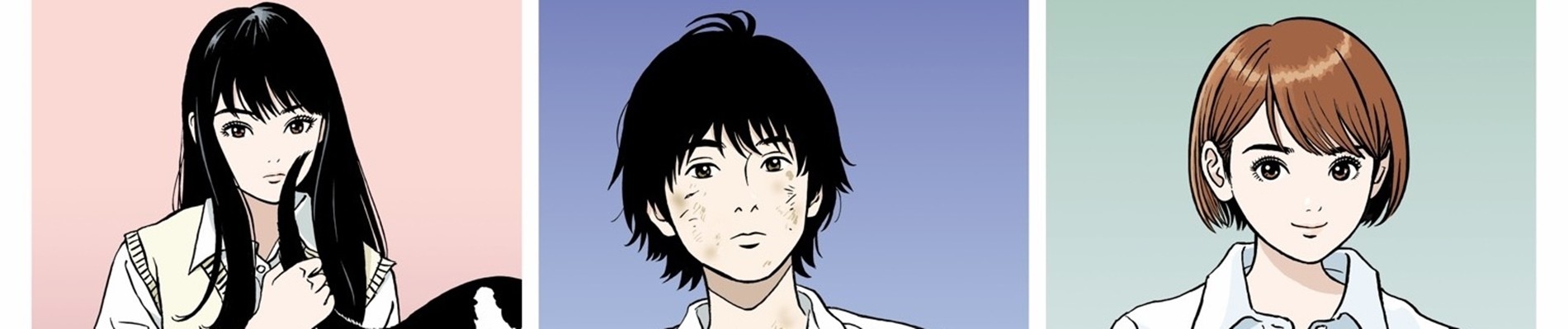
A classroom of students drifts into another dimension. Some develop powers. There is no easy way home. The show deliberately resists categorization, explanation, or hand-holding.
Sonny Boy is directed by Shingo Natsume, the same person who directed One-Punch Man Season 1 and Space Dandy. That tonal pivot alone should tell you something. This is an original anime with no source material, no safety net, and a vision that refuses every possible compromise. Each episode shifts between surreal dimensions that function as metaphors for adolescent alienation, capitalism, and the terrifying freedom of choosing a path in life.
The soundtrack is extraordinary: contributions from multiple indie bands, with different ending theme artists giving each episode its own musical identity. MAL ~7.85, only 130k+ users. On Crunchyroll. The polarized reception is the point: some viewers found it pretentious, others found it one of the most emotionally honest coming-of-age stories anime has ever produced. It aired Summer 2021, same season as dozens of louder shows. It deserved to outlast all of them in the conversation.
12. Baccano!
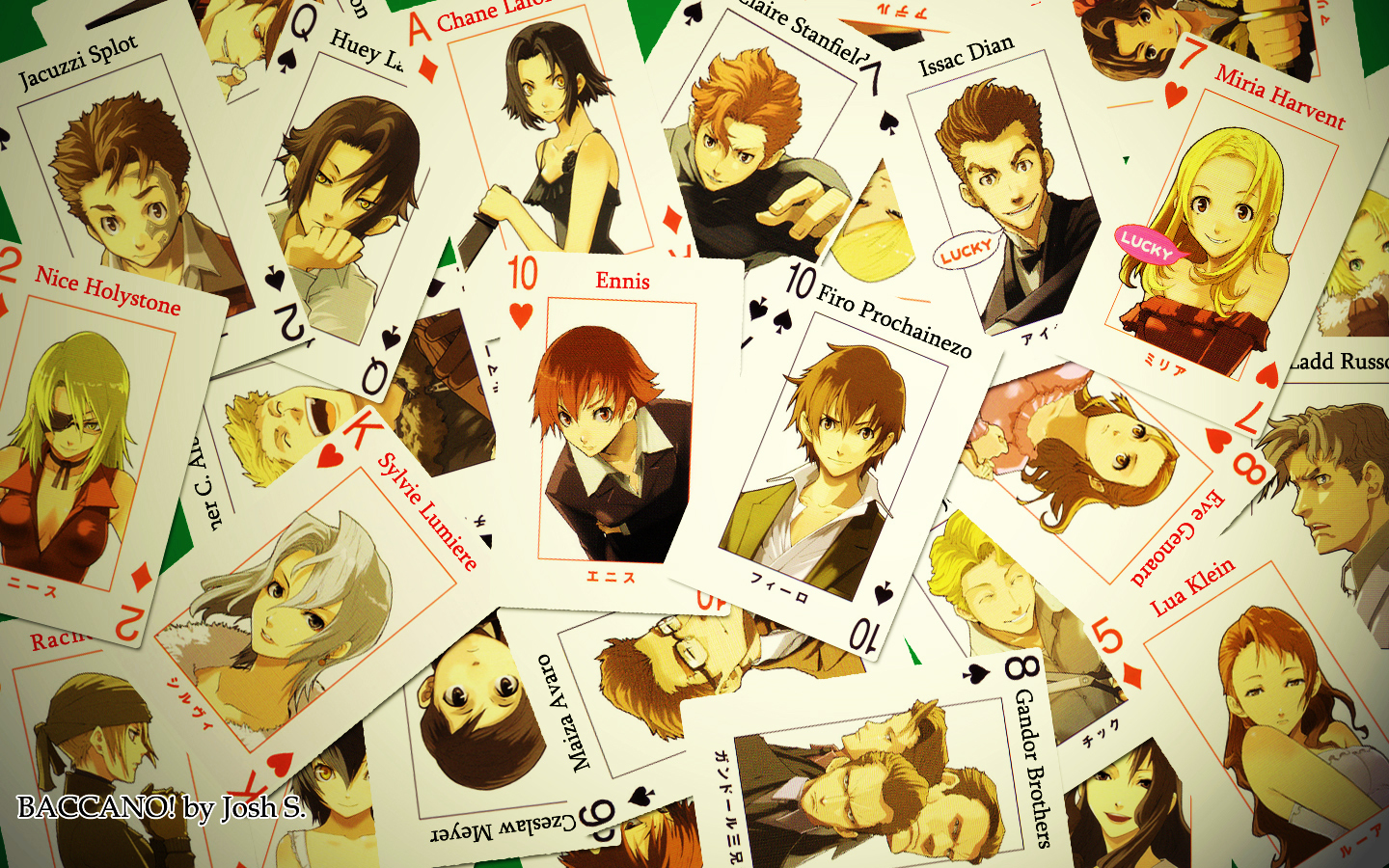
Three timelines. A train called the Flying Pussyfoot. Immortal alchemists. Prohibition-era gangsters. A pair of comic-relief thieves who accidentally become central to everything. No main character. No linear plot. Pure controlled chaos.
Based on Ryohgo Narita's light novels (he also created Durarara!!), Baccano! is a pulp-novel adaptation that jumps between time periods and trusts you to assemble the pieces yourself. The non-linear narrative confused casual viewers on first watch, and that confusion was enough to kill its momentum. The licensing situation didn't help either: rights bounced between Funimation and Aniplex, creating limited streaming windows and out-of-print physical releases that made it genuinely hard to watch legally for stretches of time.
13 episodes plus 3 OVAs. MAL ~8.35, roughly 400k users. Directed by Takahiro Omori, produced by Brain's Base, aired Summer 2007. It only adapts a subset of Narita's novels, and years of fan speculation about a sequel never materialized. Durarara!! got way more attention because it aired later with a more conventional structure. Baccano! is the better show. I will die on that hill.
11. Kaiba

In a world where memories can be stored, traded, and inserted into new bodies, the wealthy live forever and the poor sell their identities to survive. A boy wakes up with no memories and a hole in his chest. The art style looks like an Osamu Tezuka cartoon. The content is anything but childish.
Kaiba is created, written, and directed by Masaaki Yuasa, aired Spring 2008 on the satellite channel WOWOW, a platform with limited reach that guaranteed most viewers would never encounter it. The Tezuka-like character designs were misread as simplistic or juvenile, which is a cruel irony given how heavy the themes actually are. This is a show about class, identity, love, and mortality in a world where rich people literally consume the memories and bodies of the poor.
MAL ~8.15, under 200k members. A Discotek Blu-ray release eventually brought it to North American shelves, but the damage was done. Kaiba is a precursor to modern conversations about data ownership, digital memory, and identity, conversations we're having right now in 2026. Yuasa made this in 2008. Almost nobody showed up.
10. Paranoia Agent
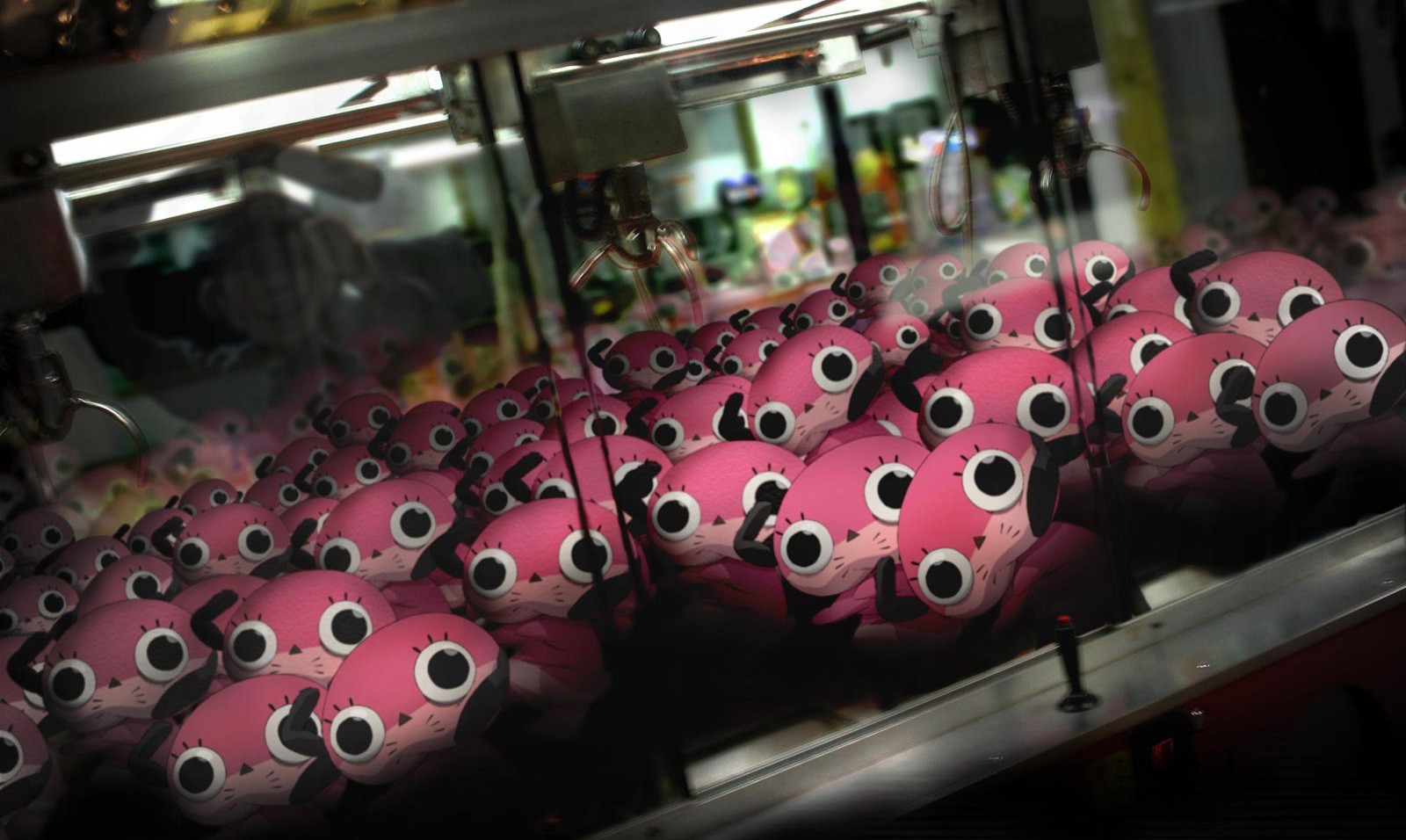
Satoshi Kon made four films that are all considered masterpieces. He also made one TV series. This is it. And somehow it's the least-discussed thing in his filmography.
Paranoia Agent is an anthology linked by the urban legend of "Lil' Slugger," a boy on golden rollerblades who attacks people at their breaking points. Each episode explores how social pressure and guilt manifest as shared hallucinations. Kon built the series from episodes reusing ideas from his unproduced projects, making it a collage of "what-ifs" that doubles as a dissection of overwork, consumerism, and suicide contagion in modern Japan.
13 episodes, aired late-night in Winter 2004. International availability was fragmented: a limited Adult Swim run, then spotty access for years. MAL ~7.66, roughly 475k members. The opening sequence, characters laughing against apocalyptic backdrops, became an enduring meme that far outlived the show's viewership. Produced by Madhouse, now on Crunchyroll with a Discotek Blu-ray available. Every episode functions as a standalone short film tackling a different facet of Japanese societal anxiety. It hasn't aged a single day.
9. Mononoke
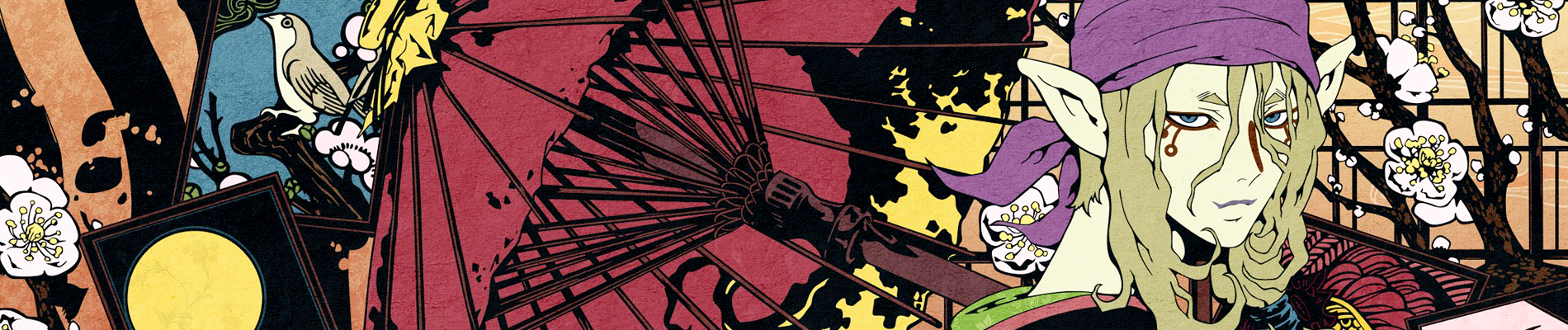
Not Princess Mononoke. This is the 2007 TV series, a spinoff of the Bakeneko arc from Ayakashi: Samurai Horror Tales, about a wandering Medicine Seller who exorcises supernatural spirits. He must identify the Form, Truth, and Reason of each mononoke before he can draw his sword. Exorcism as detective work and spiritual therapy.
The art style is aggressively, almost confrontationally stylized: ukiyo-e-inspired backgrounds, heavy textile patterns, fragmented compositions. Every frame looks like a moving woodblock print. Director Kenji Nakamura committed fully to this aesthetic, and the result is a show that is visually unlike anything that existed before or since. Each arc peels back a social transgression, abuse, class oppression, misogyny, and reveals it as the root of a supernatural curse.
12 episodes, Summer 2007, produced by Toei Animation. MAL ~8.41, 360k+ members. Available on Netflix and Discotek Blu-ray. New Mononoke projects have been announced, finally renewing interest in a show that the industry overlooked for nearly two decades. Better late than never, but it shouldn't have taken this long.
8. Houseki no Kuni (Land of the Lustrous)
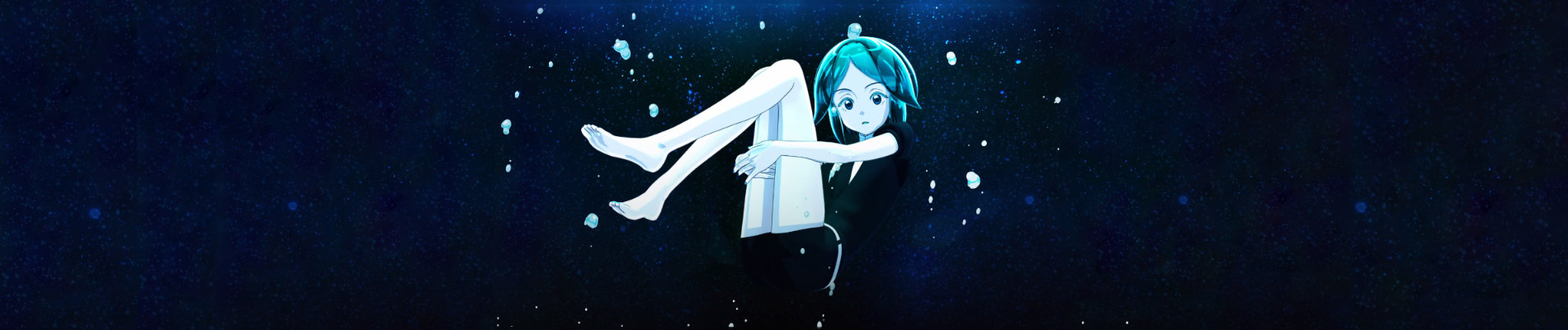
Humanoid gemstones fight moon invaders who want to shatter them into jewelry. The youngest gem, Phosphophyllite, is too brittle for combat and desperate to find purpose. What follows is one of the most devastating character arcs in anime that almost nobody has seen.
Studio Orange produced this in full CG in Fall 2017, a time when anime fans were deeply skeptical of CG animation. The androgynous gem characters looked niche in marketing materials, and Sentai Filmworks' licensing scattered it across platforms instead of giving it a single high-visibility home. All of this conspired to limit its reach despite the fact that Houseki no Kuni is credited alongside Beastars with helping change fan attitudes toward full-CG anime.
MAL ~8.40, 500k+ members. The show uses its non-human cast to explore identity, bodily change, and depression with startling depth. Phos's literal physical transformation visualizes psychological trauma in a way no human character could. The anime ends on a cliffhanger that became a rallying point for "read the manga" campaigns, and the manga goes to places that are genuinely some of the darkest, most philosophically ambitious storytelling in the medium. Twelve episodes. That's all it asks for.
7. Dorohedoro
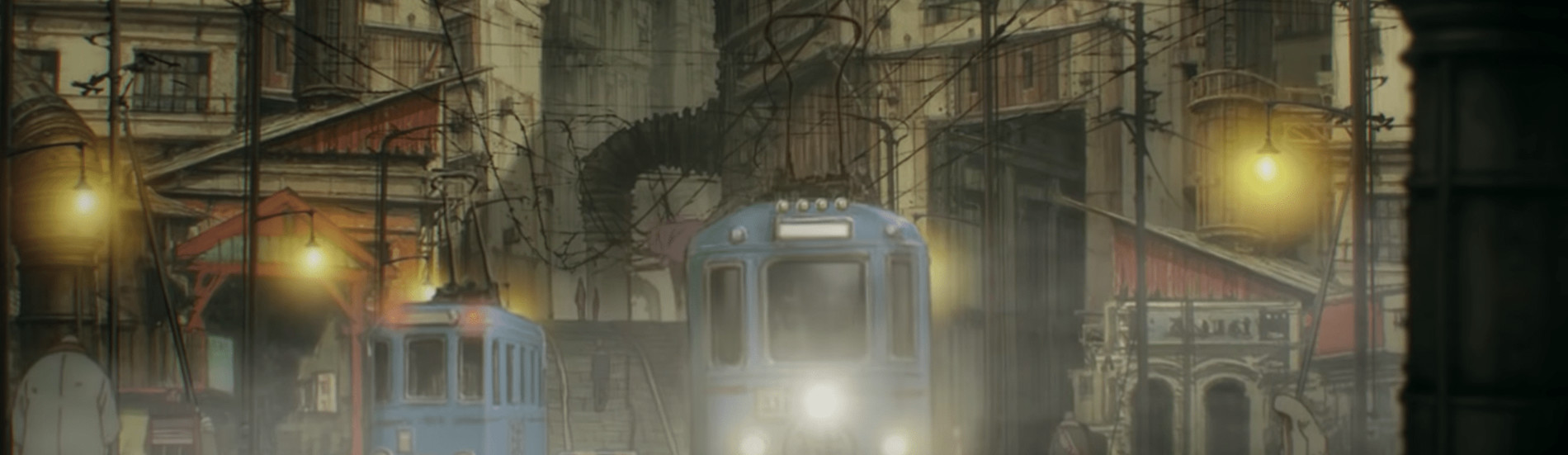
A man with a reptile head bites people to find out if they're the sorcerer who cursed him. His best friend runs a gyoza restaurant in a post-apocalyptic wasteland called the Hole. The tone whiplashes from slapstick cooking gags to grotesque body horror to tender found-family moments, sometimes within the same scene.
Based on Q Hayashida's dark fantasy manga, Dorohedoro's first season was produced by MAPPA in Winter 2020, directed by Yuichiro Hayashi, who later went on to direct Attack on Titan: The Final Season. The show fuses CG and hand-drawn animation with punk-adjacent linework that perfectly captures Hayashida's grimy aesthetic. Then Netflix locked it behind their algorithm for years: limited marketing, delayed international rollout, and the kind of buried-in-the-catalog treatment that kills momentum for anything that isn't already trending.
MAL ~8.04, 300k+ users. The good news: Crunchyroll acquired global streaming rights in 2026, ending Netflix exclusivity. Season 2 (11 episodes, ONA format) started April 1, 2026, roughly six years after Season 1, a delay that only fueled its cult aura. If you haven't started yet, now is the time.
6. Shouwa Genroku Rakugo Shinjuu
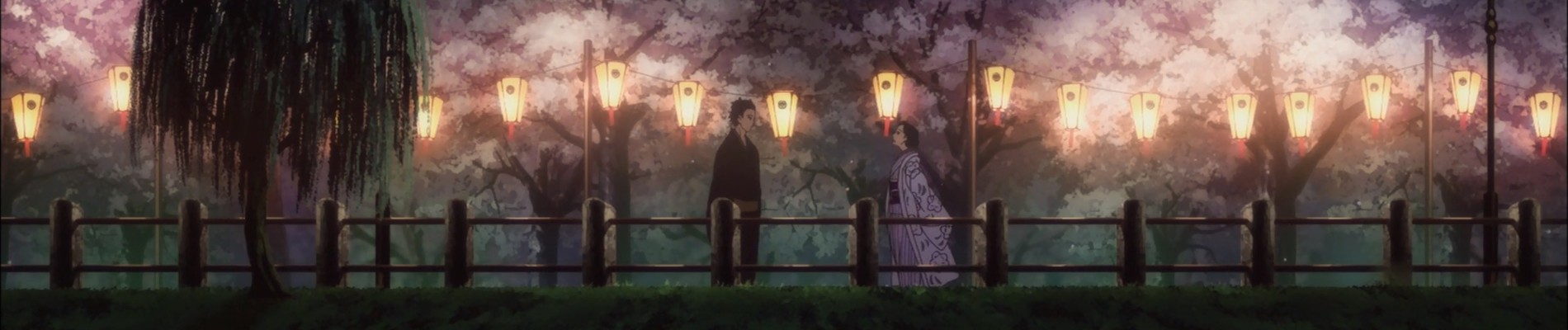
An anime about traditional Japanese comedic storytelling. That's the pitch. That's what it had to compete with in a landscape of action spectacles and thriller hooks. No wonder it aired to near-silence.
Rakugo Shinjuu debuted in Winter 2016 in a late-night slot, the same season as Erased, and the numbers tell the whole story: roughly 14k ratings versus 145k for Erased. A josei series targeting adult women about a dying art form never stood a chance against a time-travel thriller. But this is a masterpiece of character writing. Its nonlinear structure traces decades of aging, regret, and the slow death of a traditional art, using rakugo performances as mirrors for the performers' lives. Changes in storytelling style reflect relationship shifts in ways that are subtle and devastating.
Studio Deen, directed by Shinichi Omata, who later directed Kaguya-sama: Love is War. The show earned praise from real rakugo practitioners for its accuracy. MAL scores in the high-8 range with a fraction of the audience it deserves. If you've ever wanted proof that anime can do prestige drama as well as any HBO series, this is it.
5. The Tatami Galaxy
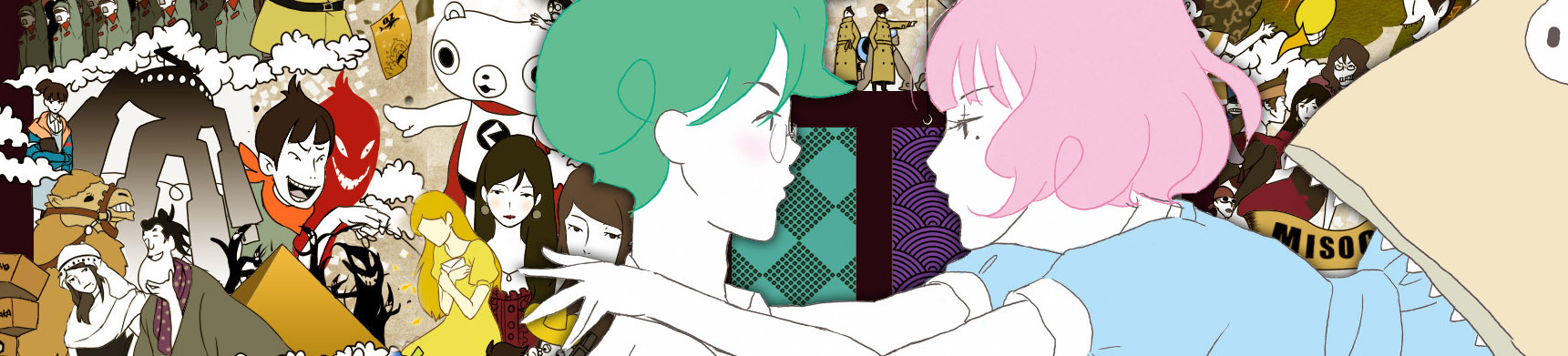
A nameless college student keeps reliving his university years, choosing different clubs each time, convinced the "right" choice will lead to a fulfilling rose-colored campus life. Every loop ends in disaster. The narration moves at approximately the speed of a bullet train.
Yes, the subtitles are fast. Absurdly fast. You will pause. You will rewind. It is worth it. Based on Tomihiko Morimi's 2004 novel, directed by Masaaki Yuasa, and aired in the noitaminA block on Fuji TV, Spring 2010, 11 episodes. The machine-gun narration combined with dense visual gags overwhelm subtitle readers, and that barrier alone kept this show from the audience it deserved.
Funimation delayed the physical release for nearly a decade because they doubted it would sell. MAL ~8.55, roughly 500k members, top 150. Excellent scores but modest reach. Each episode replays the protagonist's university years with a different club choice, building toward a structural revelation in the final two episodes that ranks among the best conclusions in anime. A spiritual sequel, The Tatami Time Machine Blues, eventually arrived. Available on Disney+ in some regions, Crunchyroll in others.
4. Ping Pong the Animation
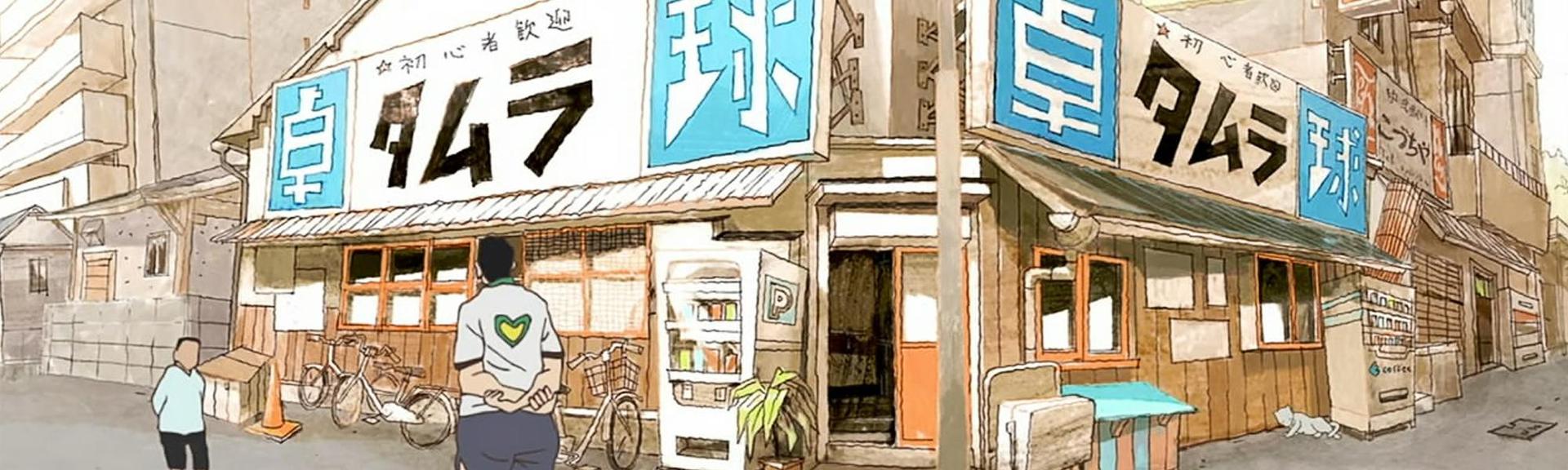
The art style is jagged, sketchy, and deliberately unconventional. A lot of people click away in the first thirty seconds. Those people are missing one of the greatest sports anime, and one of the greatest anime, period, ever produced.
Directed by Masaaki Yuasa, based on Taiyo Matsumoto's manga. Produced by Tatsunoko Production, aired Spring 2014 in the noitaminA late-night block on Fuji TV. 11 episodes. The loose linework, negative space, and panel-like compositions aren't stylistic indulgence. They externalize emotional states. When a character is soaring, the animation explodes. When they're drowning, the frames collapse.
The core thesis is quietly radical for a sports anime: it's okay to walk away from greatness if it's killing your joy. Not every character needs to win. Not every gifted player needs to compete. That message, wrapped in some of the most visually inventive animation of the decade, makes this essential viewing. MAL ~8.63, only ~440k members. Universally acclaimed but rarely watched. Part of Yuasa's extraordinary thread alongside Kaiba and The Tatami Galaxy: genre stories told through extreme visual stylization.
3. Monster
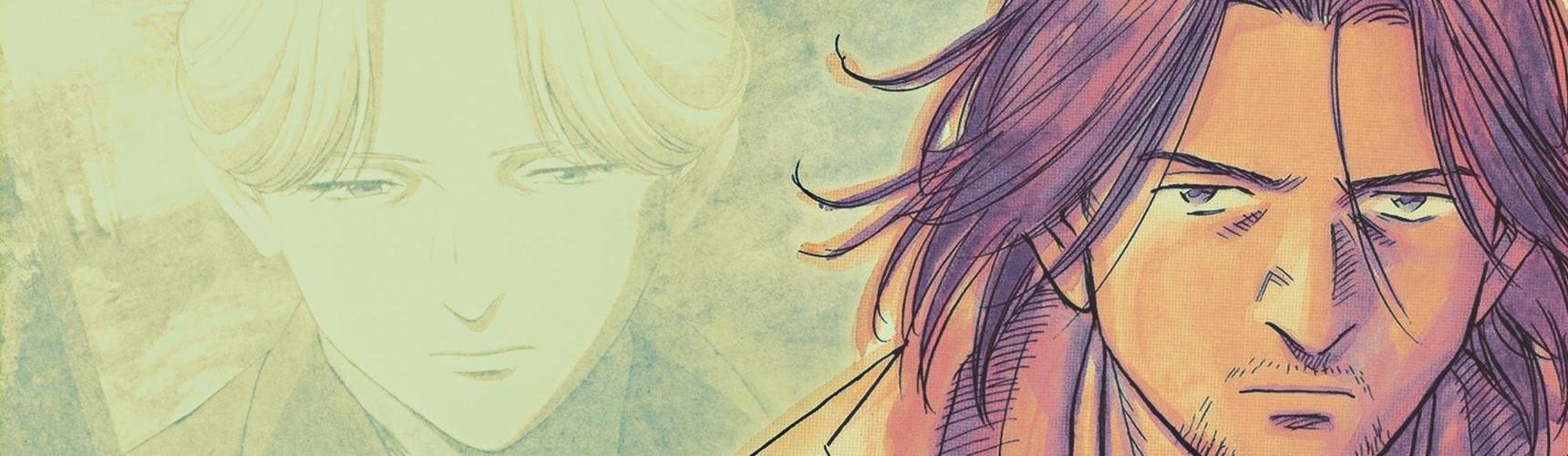
A brilliant Japanese surgeon working in Germany saves a young boy's life over a politician's. Years later, that boy grows up to be a serial killer. The doctor hunts him across post-Cold War Europe.
74 episodes. Based on Naoki Urasawa's manga. Produced by Madhouse, directed by Masayuki Kojima, aired 2004-2005. The length is the barrier: 74 episodes of slow, grounded, non-fantasy psychological thriller with no superpowers and no dramatic anime speeches. Just meticulous prestige European crime drama that happens to be animated. The spotty licensing history made things worse: limited broadcasts, long gaps without legal streaming options for years at a time.
MAL ~8.89, top 30 overall, 1.3M+ members. Those numbers look massive, but for a show rated in the top 30 of all anime ever made, the actual viewership is remarkably low. Johan Liebert is one of the most terrifying antagonists in fiction. He doesn't need violence. He talks to people, and they destroy themselves. Discotek announced a comprehensive HD Blu-ray release with Japanese and English audio for 2026. This show solidified Urasawa's reputation worldwide and paved the way for Pluto and 20th Century Boys adaptations. If you've been putting it off because of the episode count: every single one is earned.
2. Serial Experiments Lain
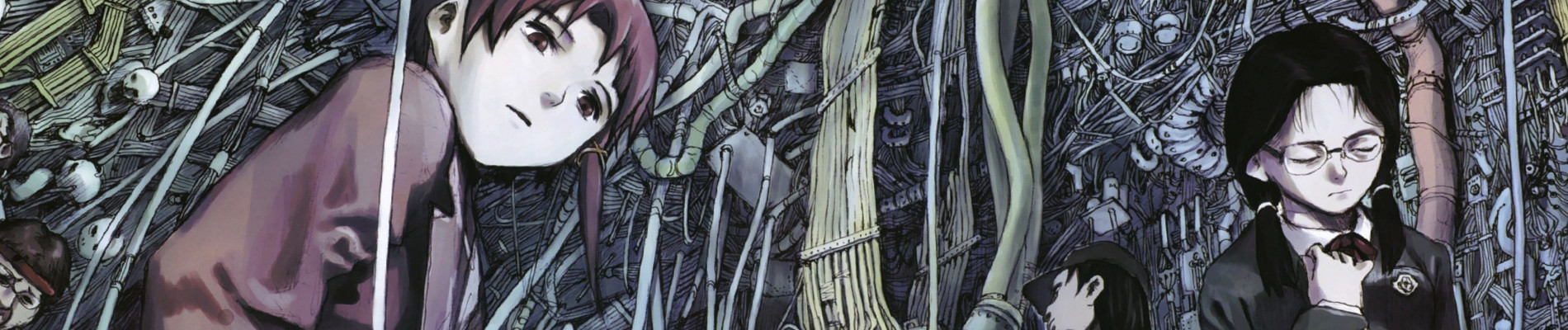
A quiet 14-year-old girl receives an email from a classmate who committed suicide. She gets pulled into the Wired, the show's version of the internet, and begins questioning what's real, who she is, and whether the boundary between online and offline identity even matters.
Lain aired in 1998. 13 episodes. Produced by Triangle Staff, directed by Ryutaro Nakamura, created and produced by Yasuyuki Ueda, written by Chiaki J. Konaka, with character designs by Yoshitoshi ABe. It reached Western audiences through limited DVDs and late-night TV broadcasts in the pre-simulcast era. There was no Crunchyroll, no seasonal hype cycle, just word of mouth and cult devotion.
MAL ~8.10, roughly 900k members. An outsized cultural footprint for a show most people still haven't watched. The series was heavily influenced by Douglas Rushkoff's book Cyberia and anticipated a world where online and offline identities blur with eerie prescience. It predicted social media identity crises, online radicalization, and the erosion of privacy before most of its audience had broadband. It even spawned an experimental PlayStation game that was more interactive art installation than conventional adaptation. Articles from 2025-2026 call it a show that "changed the cyberpunk genre forever." Watching Lain in 2026, surrounded by AI discourse and digital identity crises, hits differently than it did in 1998. It hits harder.
1. Odd Taxi
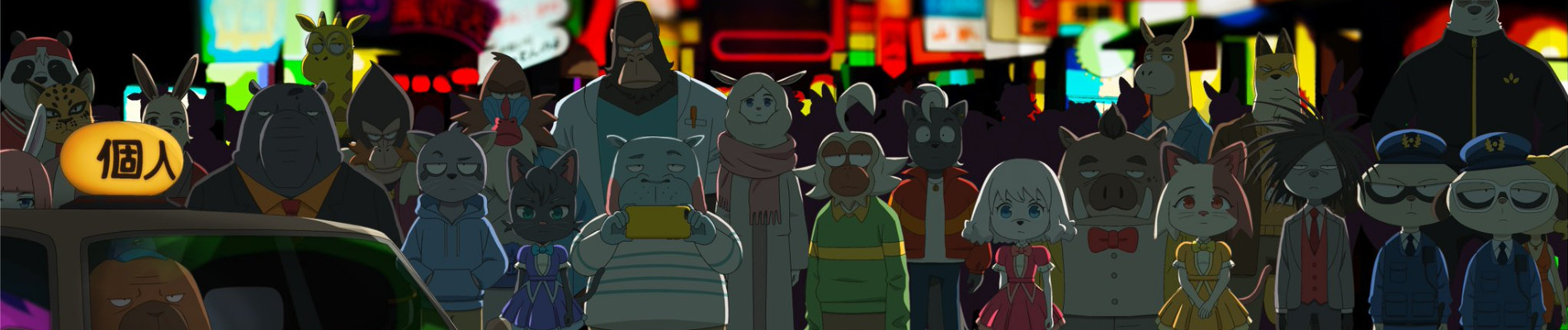
A middle-aged walrus drives a taxi. His passengers are anthropomorphic animals. A missing girl ties everything together. And this is, without exaggeration, one of the best-written mystery anime ever made.
Odd Taxi aired in Spring 2021 at 2:00 AM on TV Tokyo, a late-night death slot. It was produced by OLM and P.I.C.S., directed by Baku Kinoshita, and it had the catastrophic misfortune of sharing a season with Attack on Titan: The Final Season and My Hero Academia. The anthropomorphic animal designs made it trivially easy to dismiss as gimmicky. Internal Blu-ray preorder goals reportedly started at a modest 300 copies. Word of mouth, largely through YouTube critics like Gigguk, eventually pushed sales past 6,000 units.
The New Yorker listed it among the best TV series of 2021. Let that sink in. A late-night anime about talking animals that aired at 2 AM got recognized by The New Yorker, and most anime fans still haven't seen it.
MAL ~8.63, top 100, but only ~500k members. Mid-tier popularity for a show with top-tier critical reception. The anthropomorphic cast isn't a gimmick. Species reflect social roles, and the show weaponizes that visual metaphor in its finale twist. It's a Coen Brothers-style crime caper laced with social commentary on parasocial fame and online clout, with music by PUNPEE, VaVa, and OMSB. Every single taxi conversation plants a seed that pays off. Every character connects to the central mystery in ways you won't see coming.
A follow-up film, Odd Taxi: In the Woods, has been on Crunchyroll since 2024. If you haven't started: thirteen episodes. That's all it asks. You'll want to rewatch it immediately.
The actual problem
None of these shows failed because they're niche or inaccessible. They failed to reach wider audiences because the anime community's attention economy rewards the loudest, most immediately gratifying shows. Late-night time slots bury premieres. Platform exclusivity locks shows behind algorithms that don't care about quality. Licensing disputes create years-long gaps where shows simply can't be watched legally. And seasonal hype cycles bury anything that doesn't generate clip-worthy moments in its first episode.
Every show on this list proves that anime is capable of storytelling that rivals any medium on earth. The range here, from Baccano!'s manic Prohibition-era puzzle to Lain's oppressive digital prophecy to Rakugo Shinjuu's decades-spanning character study, represents what the medium can do when creators take real creative risks.
So pick one. Any one. Press play. And when you finish it and wonder why nobody told you about it sooner, come back and pick another.